
Last updated September 19, 2026
Full 25-point door and opener safety check with every visit - springs, cables, rollers, tracks, and your LiftMaster or Chamberlain opener included
You get a price before we start. It does not change when the truck arrives.
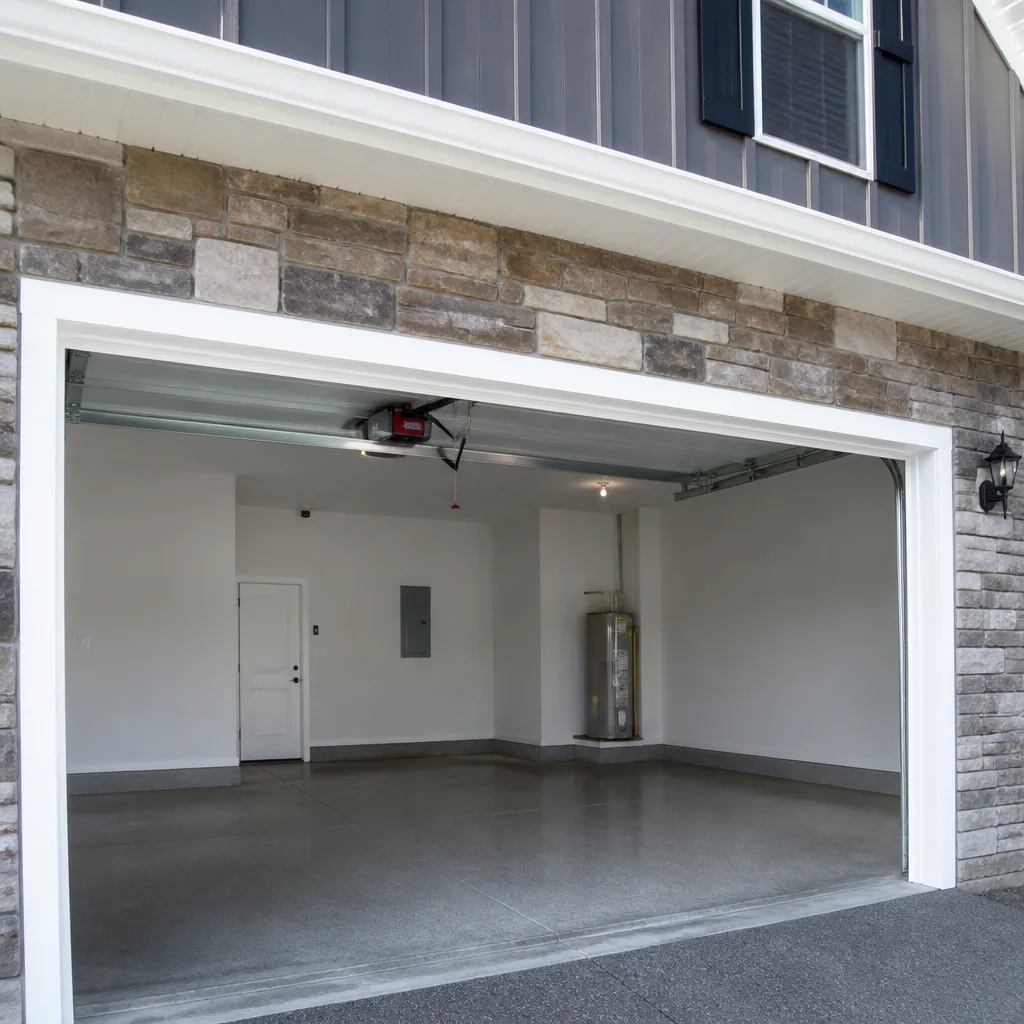
Chamberlain openers
 Before
 After
After Before
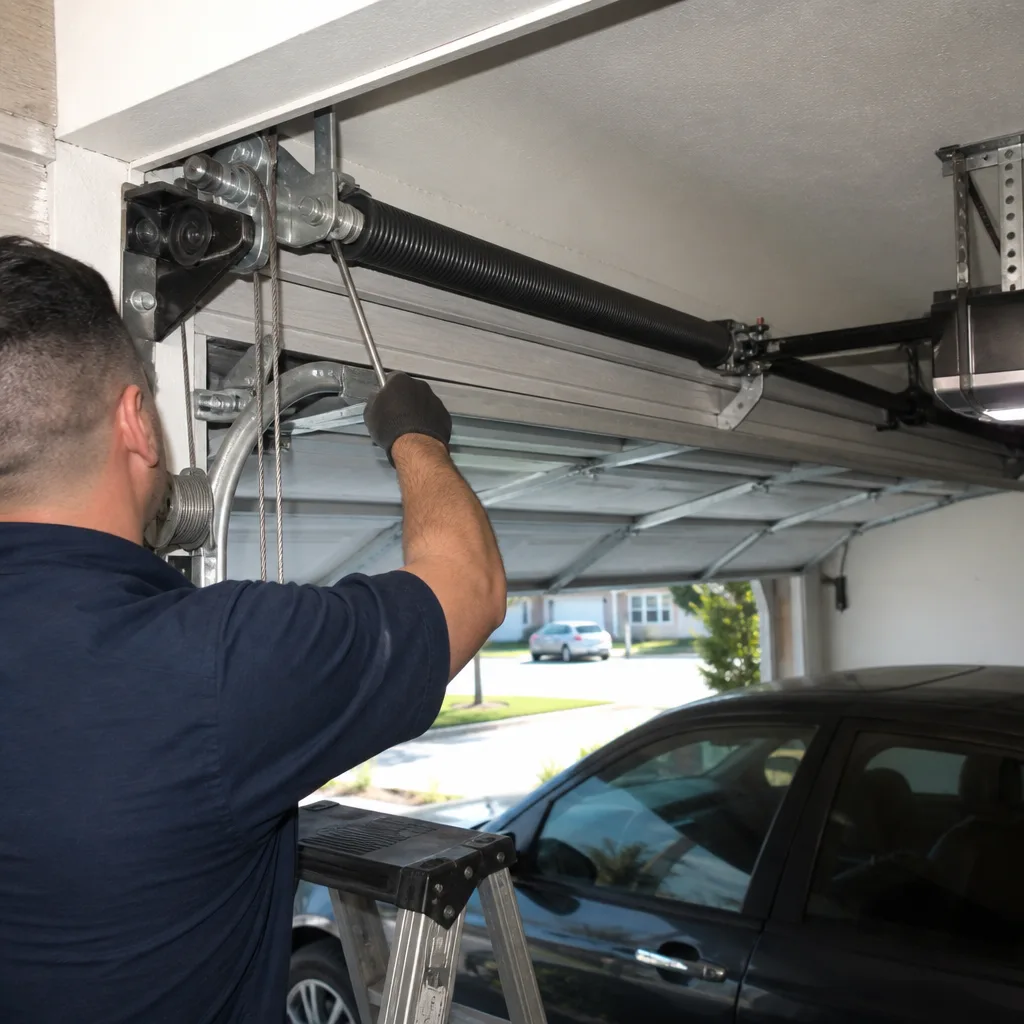 After
After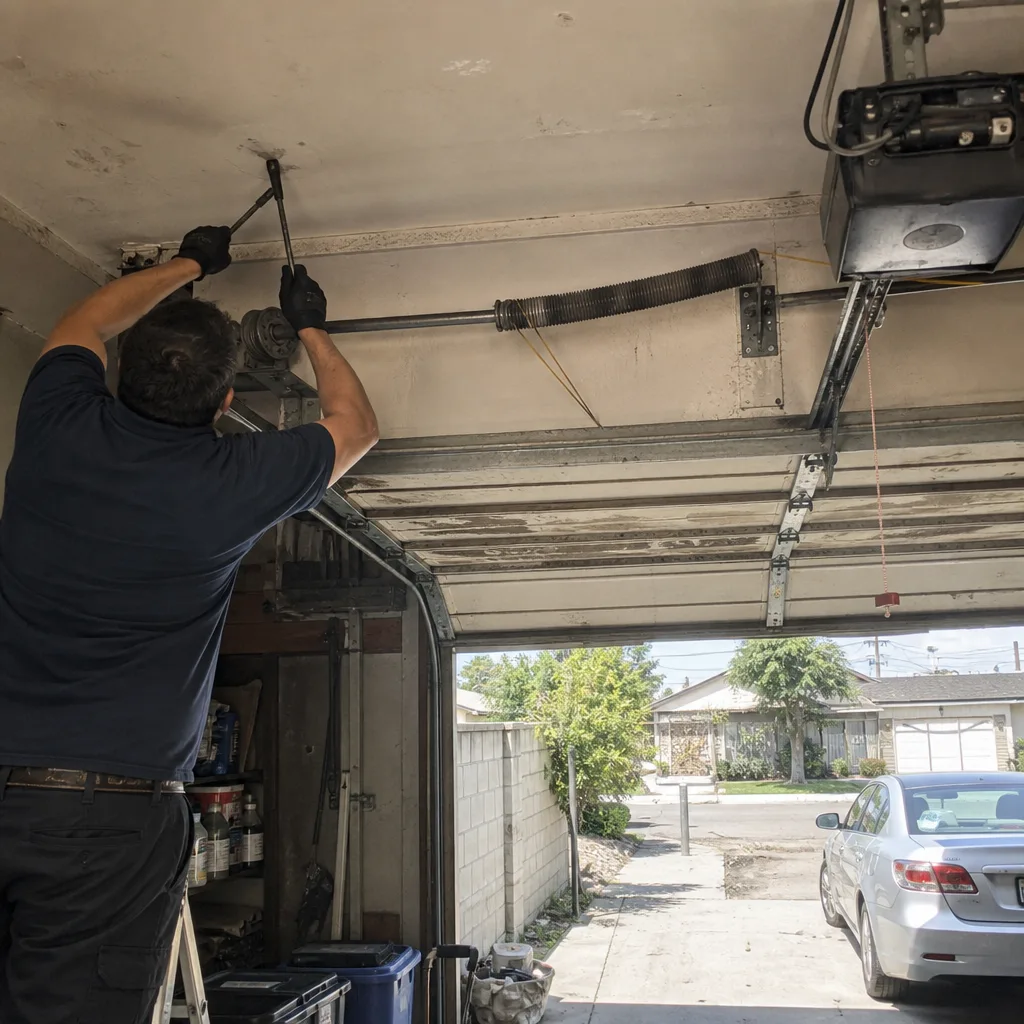 Before
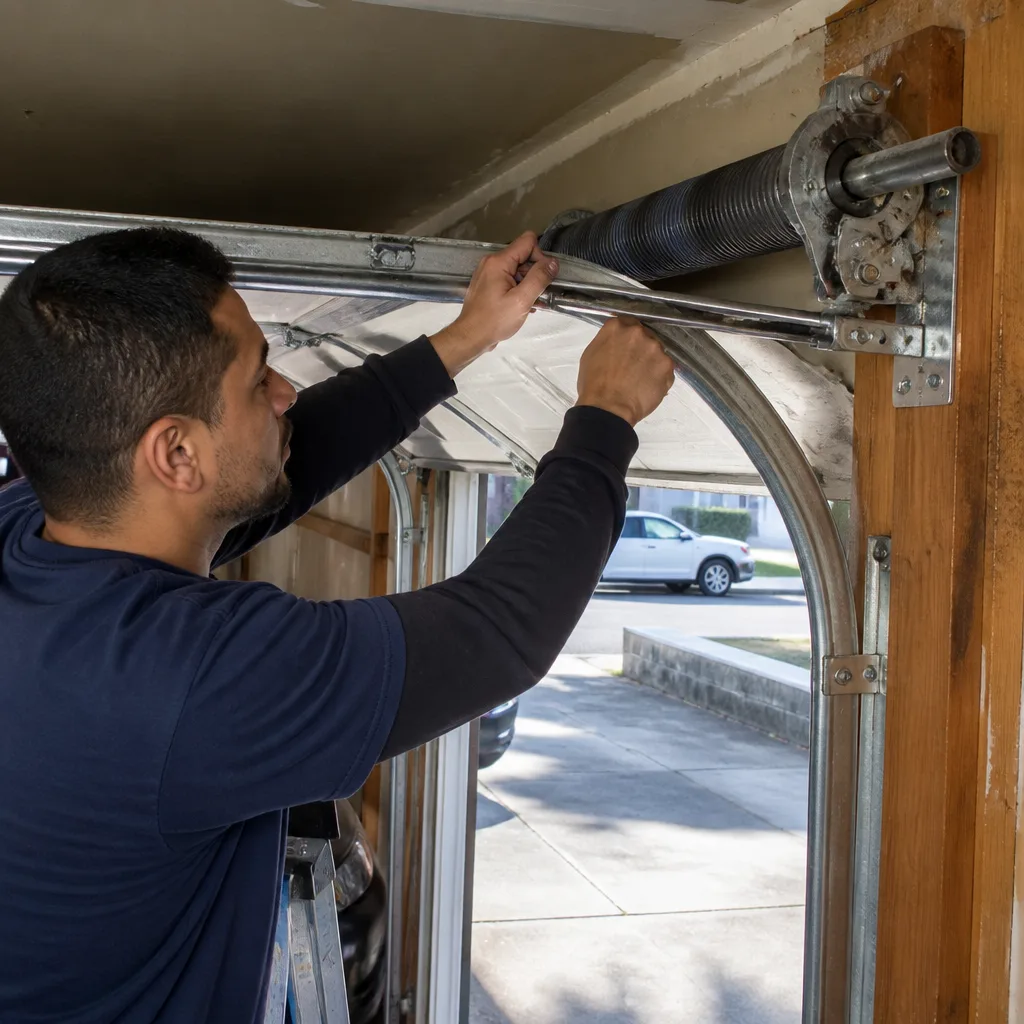 After
AfterThe Complete Guide to Garage Door in Long Beach
Most garage door guides were written for Phoenix or Dallas. Long Beach sits within two miles of open ocean at multiple points, which means the corrosion timeline for uncoated steel hardware runs roughly half as long as the national average cited in most manufacturer warranties. A torsion spring that might last nine years in Riverside fails in five here. This guide covers what that coastal reality means for every component on your garage door, from the springs above your head to the weatherstripping at your feet. For a full 2026 cost breakdown specific to Long Beach homeowners, see our companion reference. You’ll learn what actually fails first in Long Beach, what it costs to fix, and which materials are worth paying for in this specific climate, not a generic one.
Quick Answer
Garage door ownership in Long Beach requires selecting components rated for salt air and high humidity, particularly springs, cables, and track hardware, and replacing them on a shorter cycle than national averages suggest. A typical garage door repair in Long Beach runs $160 to $390 depending on the component, and the wisest approach is a written, flat-price quote before any work starts. The city’s mild climate makes moderate R-value insulation sufficient for most homes, but UV-resistant finishes matter more here than anywhere inland.
Table of Contents
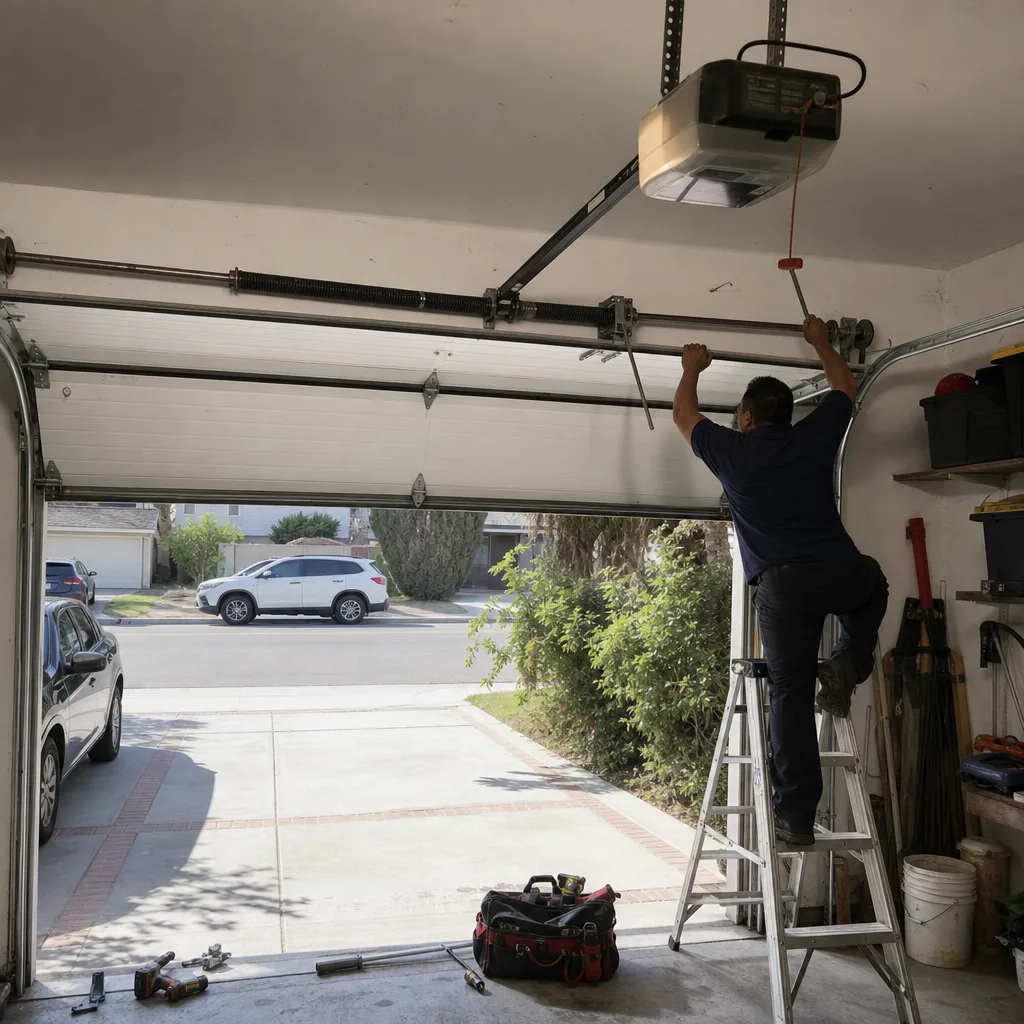
- Why Long Beach Conditions Are Different
- Component-by-Component Lifespan in Long Beach
- Materials That Hold Up Near the Coast
- What a Garage Door Costs in Long Beach
- Permits and Code Requirements in Long Beach
- How to Buy a Garage Door in Long Beach
- Common Mistakes to Avoid
- When to Call a Professional
- Frequently Asked Questions
- The Bottom Line
BeforeAfterWhy Long Beach Conditions Are Different
Long Beach has a coastal microclimate that manufacturers don’t build for by default. The marine layer that rolls in most mornings between May and August deposits moisture on metal surfaces for six to ten hours at a time. Combine that with salt aerosol carried inland from the Pacific, and you get a corrosion environment closer to what you’d find on a boat dock than in a typical suburban garage. Hardware that’s merely zinc-plated, which is the standard on economy doors, shows white rust within eighteen months in Belmont Shore and Naples. The same hardware might look fine for five years in Bixby Knolls or farther north.
Proximity to the Port of Long Beach adds a second factor most guides never mention. Low-frequency vibration from freight corridors and container handling equipment travels through the soil along the 710 corridor and into neighborhoods like Wrigley and West Long Beach. We’ve replaced torsion springs in these areas that showed fatigue cracking at the coil, not the clean break you normally see. A clean break is expected at end of life. Micro-cracking along multiple coils indicates vibration stress accumulated over years of truck traffic rumbling through the neighborhood. This shortens spring life by an estimated 20 to 30 percent compared to homes in quieter parts of the city.
What does this mean practically? It means the national averages for component lifespan, the numbers printed in most warranty booklets, don’t apply here. A garage door in Long Beach needs marine-grade hardware or it needs more frequent replacement. There isn’t a third option.
The good news is that Long Beach’s temperature range is mild. Your door isn’t fighting freeze-thaw cycles like a door in Minneapolis, and it isn’t baking at 110 degrees like a door in Phoenix. The enemy here is corrosion, not temperature. That changes what you should prioritize when buying.
Component-by-Component Lifespan in Long Beach
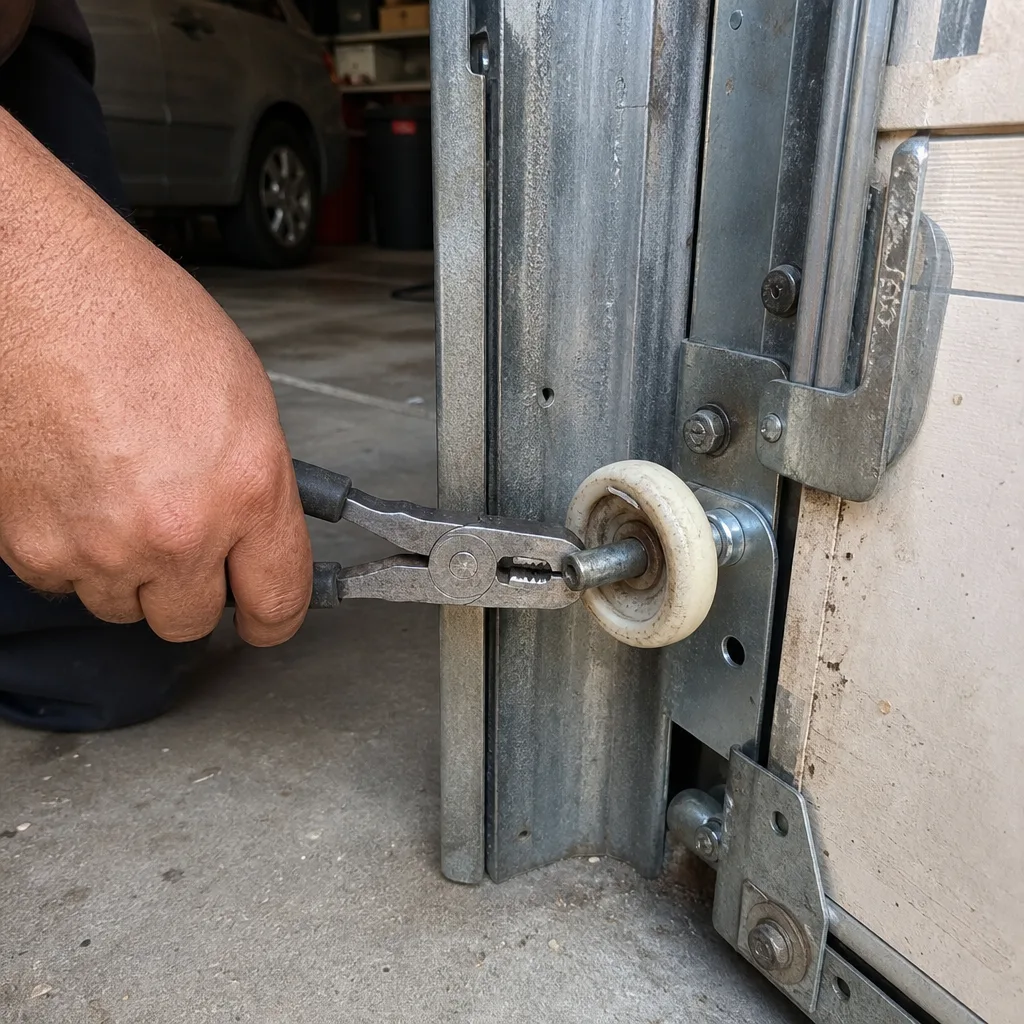
Here is what we see in the field, calibrated to Long Beach conditions rather than the national averages manufacturers publish. These numbers assume a standard residential door cycling four to five times per day.
Torsion Springs: 5 to 7 Years
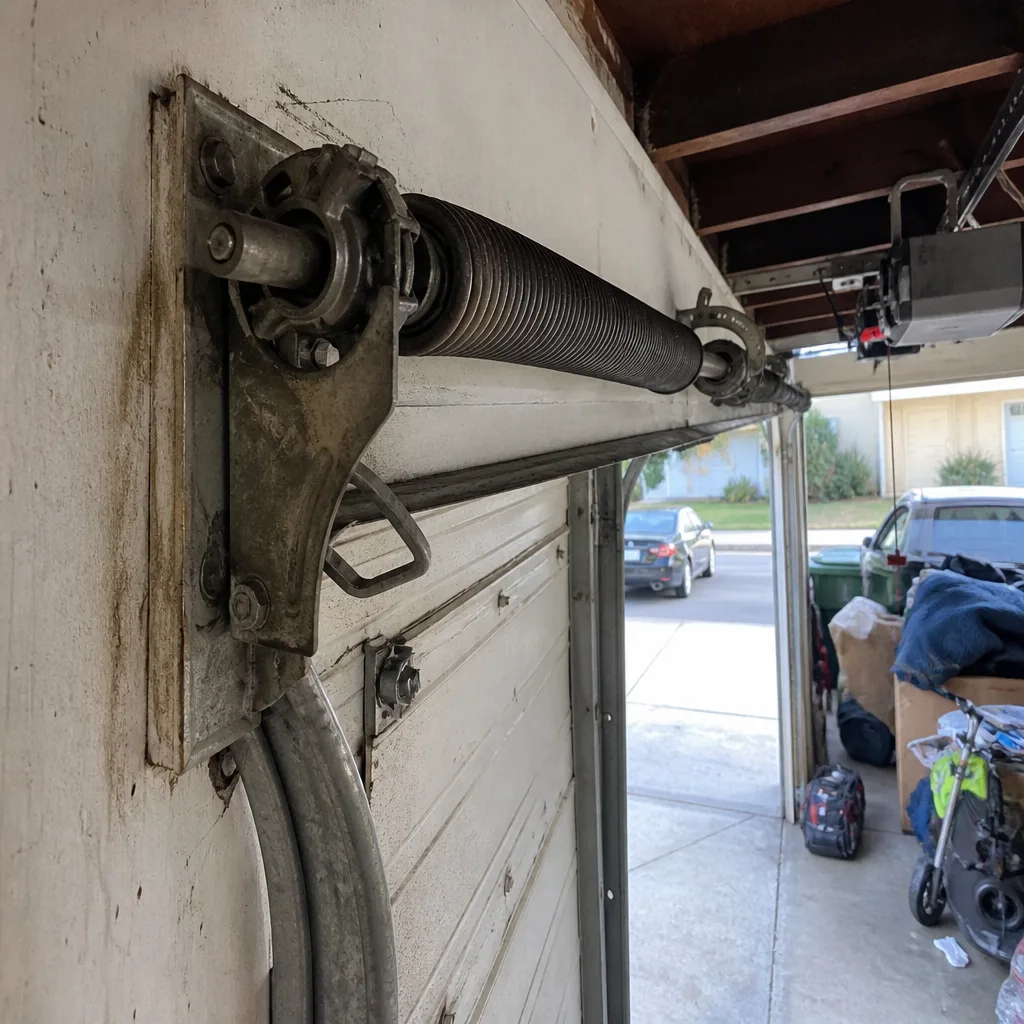
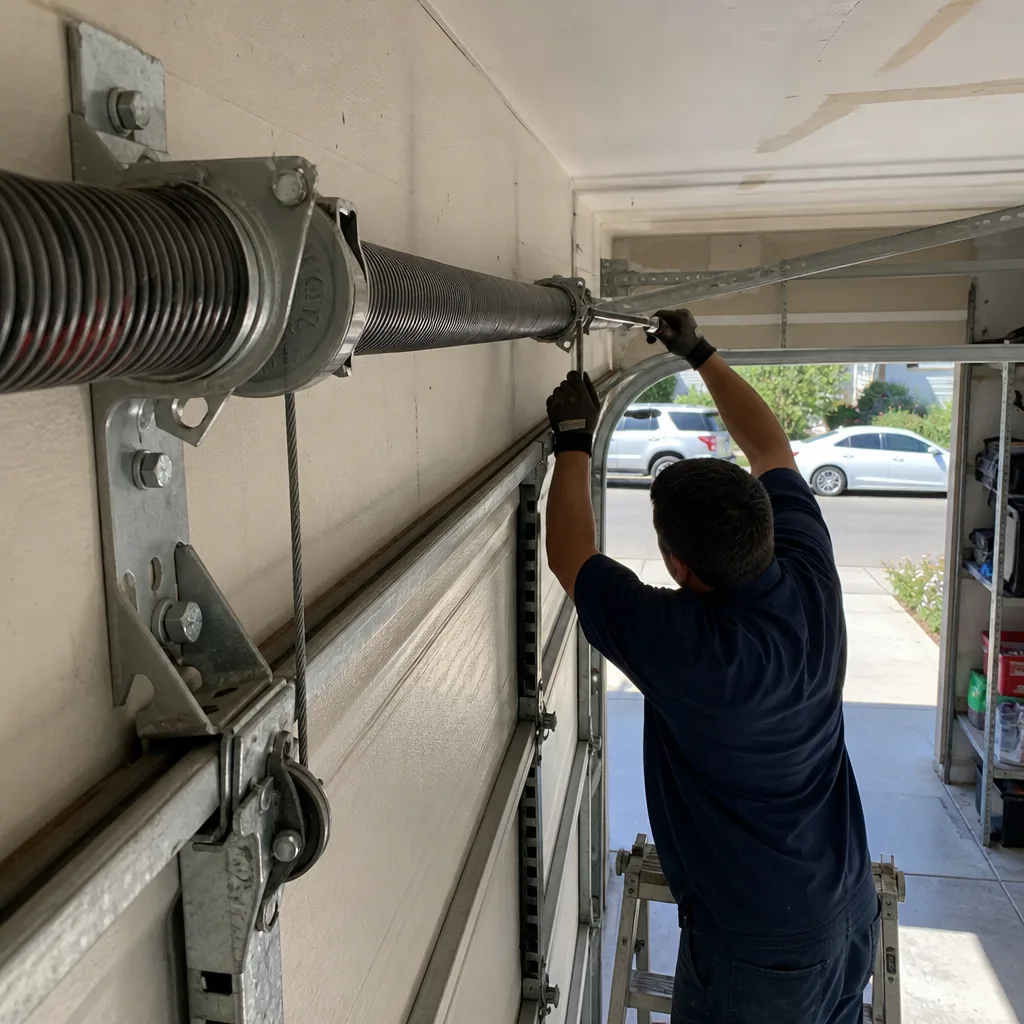
A torsion spring is the coiled steel shaft above your door that counterbalances its weight, storing energy under tension. Nationally, these last 9 to 12 years. In Long Beach’s humid, salt-touched air, surface corrosion starts at the coil ends where the spring meets the winding cone. Left unaddressed, that corrosion creates a stress point, and the spring breaks there. Homes within a mile of the water should budget for replacement at the five-year mark. Homes north of the 405 may get seven or eight. When we replace a spring in Naples or the Peninsula, we recommend galvanized or powder-coated springs, which cost $30 to $60 more per pair and add two to three years of service life.
Lift Cables: 6 to 8 Years
The cables are the twisted steel wires that run along each side of the door, doing most of the actual lifting while the springs provide the counterbalance. Cable failure is insidious because the cable frays before it snaps. One broken strand becomes five, and the door still works, right up until the moment it doesn’t. In coastal Long Beach, we recommend inspecting cables annually. If you can see broken strands, replace the cables immediately. A snapped cable while the door is mid-cycle can send a several-hundred-pound panel crashing onto the driveway or a car parked underneath. This is also the reason we don’t recommend DIY cable work. The cables are under spring tension, and the safe path involves releasing that tension first. A trained technician has the winding bars and the process to do it safely.
Rollers: 4 to 6 Years (Steel) or 8 to 10 Years (Nylon)
Rollers are the small wheels that let the door travel up and down the track. Economy steel rollers rust at the bearings in Long Beach. Nylon rollers with sealed bearings cost $10 to $15 more per roller but last nearly twice as long and run quieter. If you hear grinding or squeaking when the door moves, you’re hearing roller bearings that have lost their lubrication or begun to corrode. For most Long Beach homes, replacing all rollers takes under an hour when the springs and track are in good condition.
Track: 15 to 20 Years
Track is the steel channel mounted to the walls and ceiling that guides the door. It’s one of the few components that survives Long Beach’s climate reasonably well, mostly because it’s static and exposed to less friction than moving parts. The failure point is usually the track brackets, not the track itself. Brackets corrode where they bolt to the wall, especially in garages that get humid air from a water heater or washing machine. Loose brackets are a common finding on doors we inspect.
Weatherstripping: 2 to 4 Years
The rubber strip along the bottom of the door takes direct sun and occasional standing water. In south- and west-facing garages, UV breaks down the rubber and it cracks. The fix is a $20 to $40 replacement strip and about thirty minutes of work. It’s the cheapest maintenance item on your garage door and the one we replace most often during routine service calls.
Opener Motors: 8 to 12 Years
The opener is the motorized unit mounted to the garage ceiling that drives the door up and down. Chamberlain and Genie units dominate the Long Beach market, and their lifespan depends more on use patterns than climate. The failure point in our area is often the logic board, a circuit board that controls the opener’s functions, which can fail when humidity intrudes into the unit’s housing. belt-driven units from Chamberlain and Genie hold up well in Long Beach, and we stock replacement boards for most models made in the last ten years. For a deeper look at opener specifics, see the Garage Door Opener Repair & Installation in Long Beach page.
Materials That Hold Up Near the Coast
Garage door panels come in three primary materials: steel, aluminum, and wood. In Long Beach, the material choice matters less than the finish and the hardware spec, but there are still clear winners.
Steel: The Standard, With Caveats
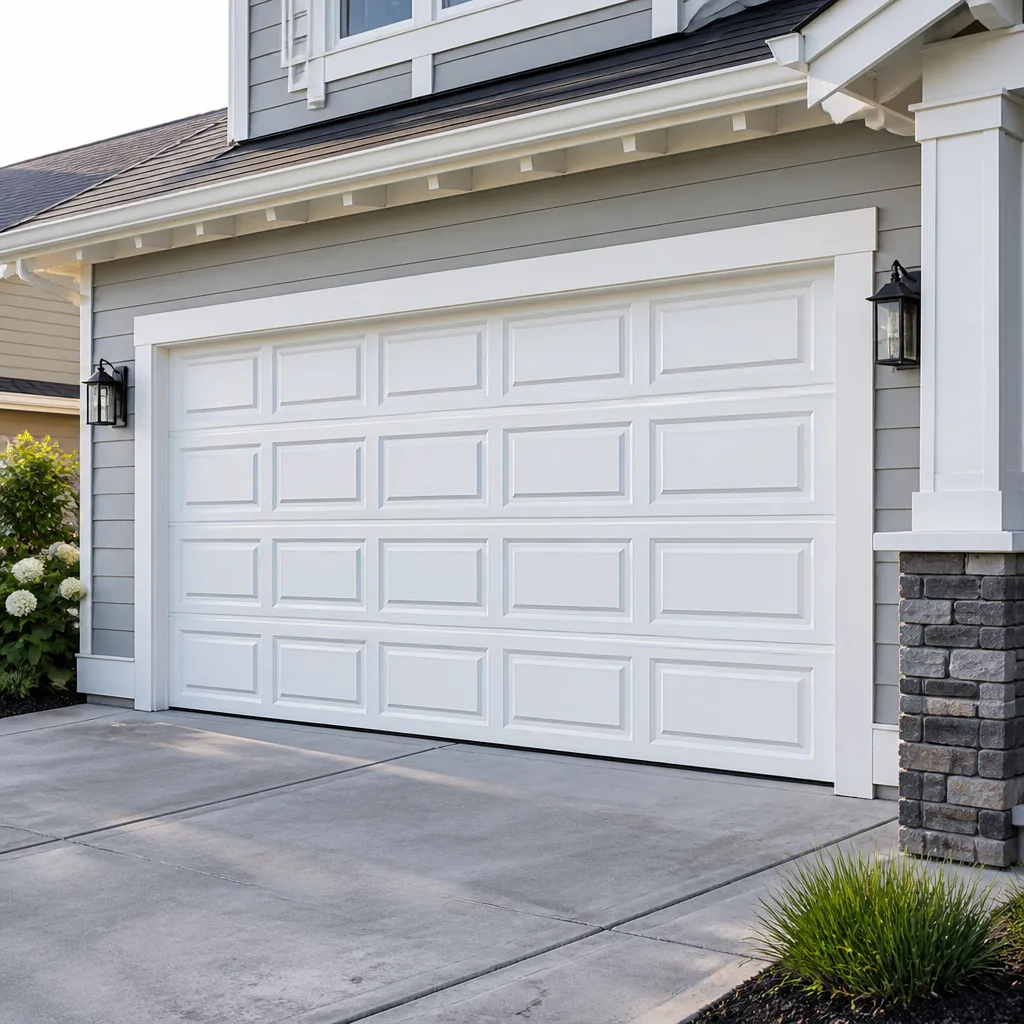
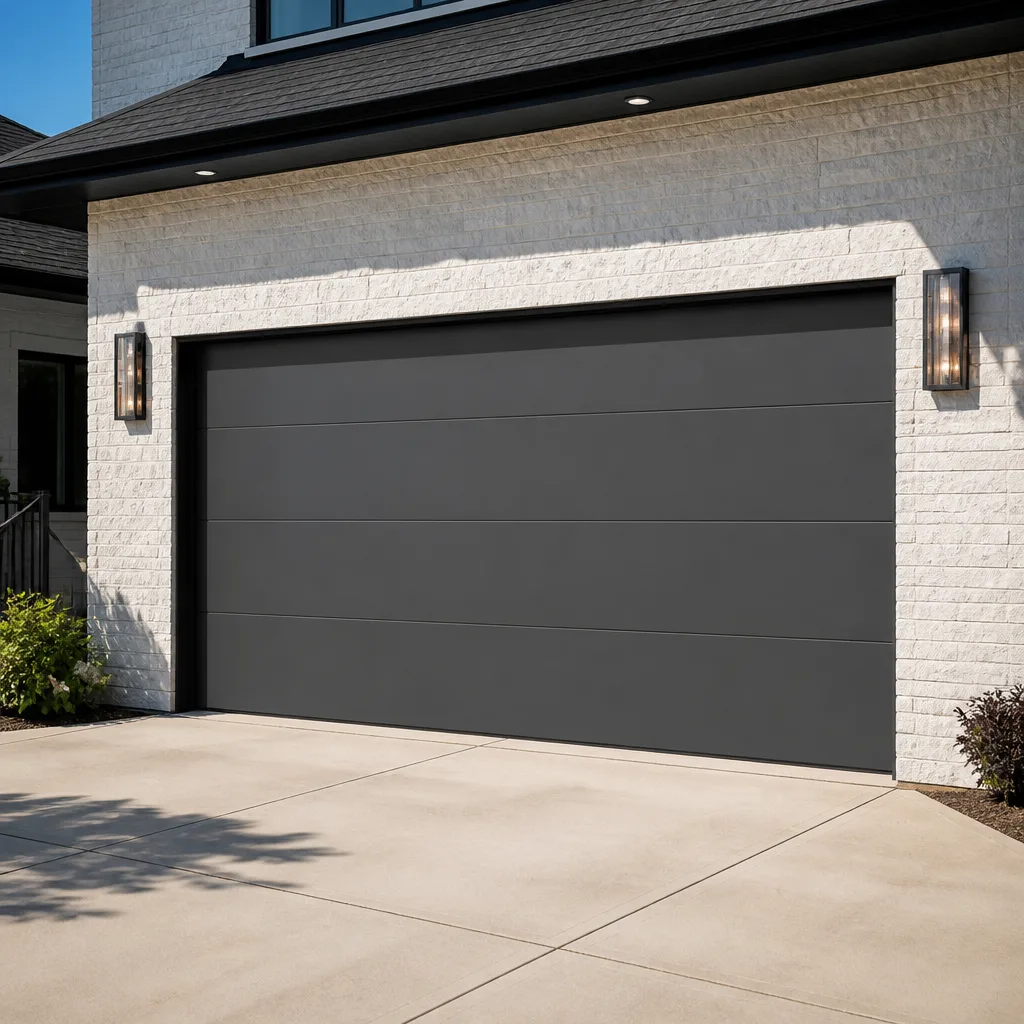
A steel garage door is the default choice in Long Beach, and for good reason. A 25-gauge or 24-gauge steel panel door from Clopay or Amarr gives you the best balance of strength, price, and longevity. The caveat is the finish. A standard baked-on primer coat will hold up fine inland, but near the coast you want a door rated for marine or coastal environments. That typically means a galvanized steel core with a factory-applied, UV-stable topcoat. Most quality manufacturers offer this as a line item, and it’s worth the upcharge.
For homes in Belmont Shore, the Peninsula, Naples, or anywhere within a mile of the water, we recommend avoiding the lowest-tier steel doors. The panel itself may survive, but the hardware, hinges, and fasteners supplied with economy doors are zinc-plated, not galvanized. Replacement hardware is a $150 to $250 job, but it’s the kind of job that shouldn’t be necessary if you choose the right door from the start.
Aluminum: Light and Rust-Resistant, With a Tradeoff
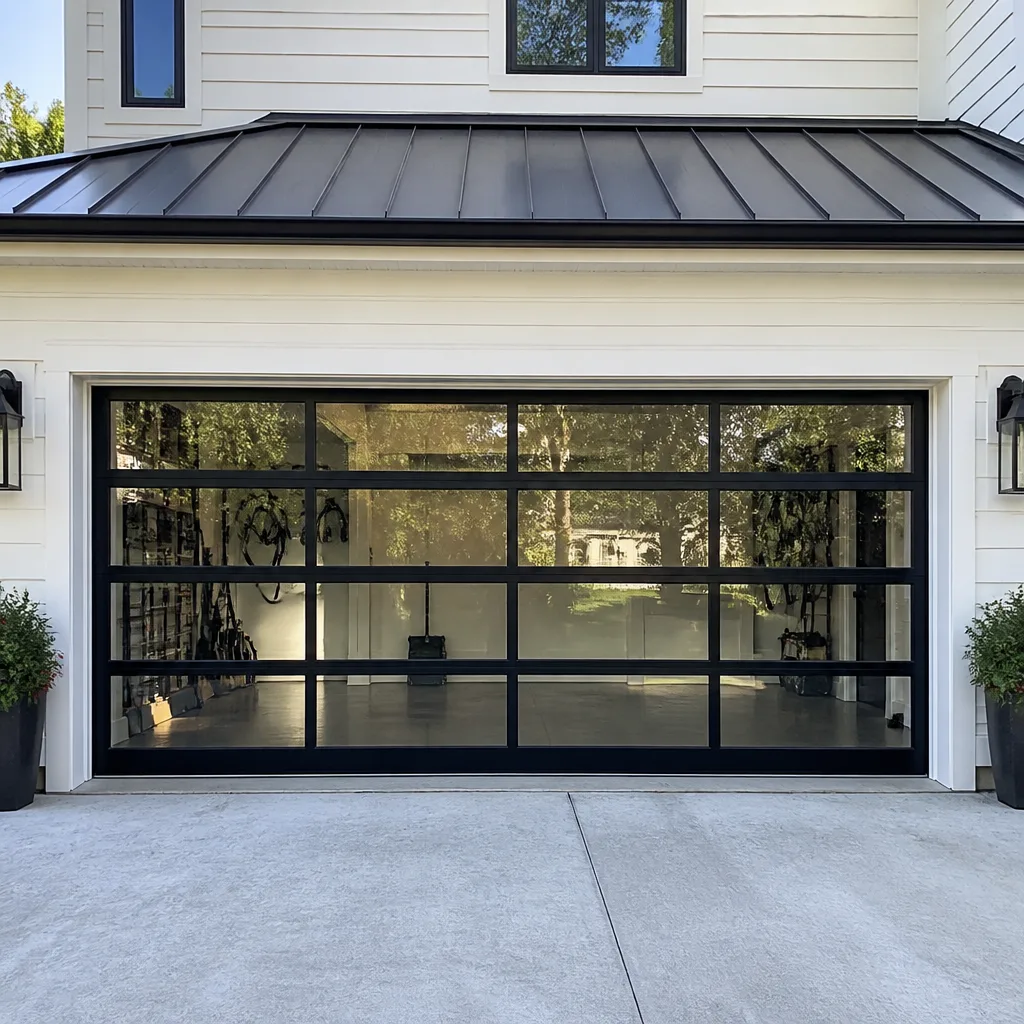
A full aluminum door with a powder-coated finish handles the salt air better than steel. It won’t rust, it’s lighter, and it’s the material of choice for full-view glass doors, which are popular in modern and mid-century homes across Long Beach. The tradeoff is strength. Aluminum panels dent when hit, and the material doesn’t have the structural rigidity of steel. For a south- or west-facing door that takes direct afternoon sun, aluminum actually runs cooler to the touch than dark steel, which can help if the garage is used as a workspace. Amarr and Clopay both build solid aluminum options with coastal-rated hardware packages.
Wood: Beautiful, Demanding, and Expensive to Maintain Here
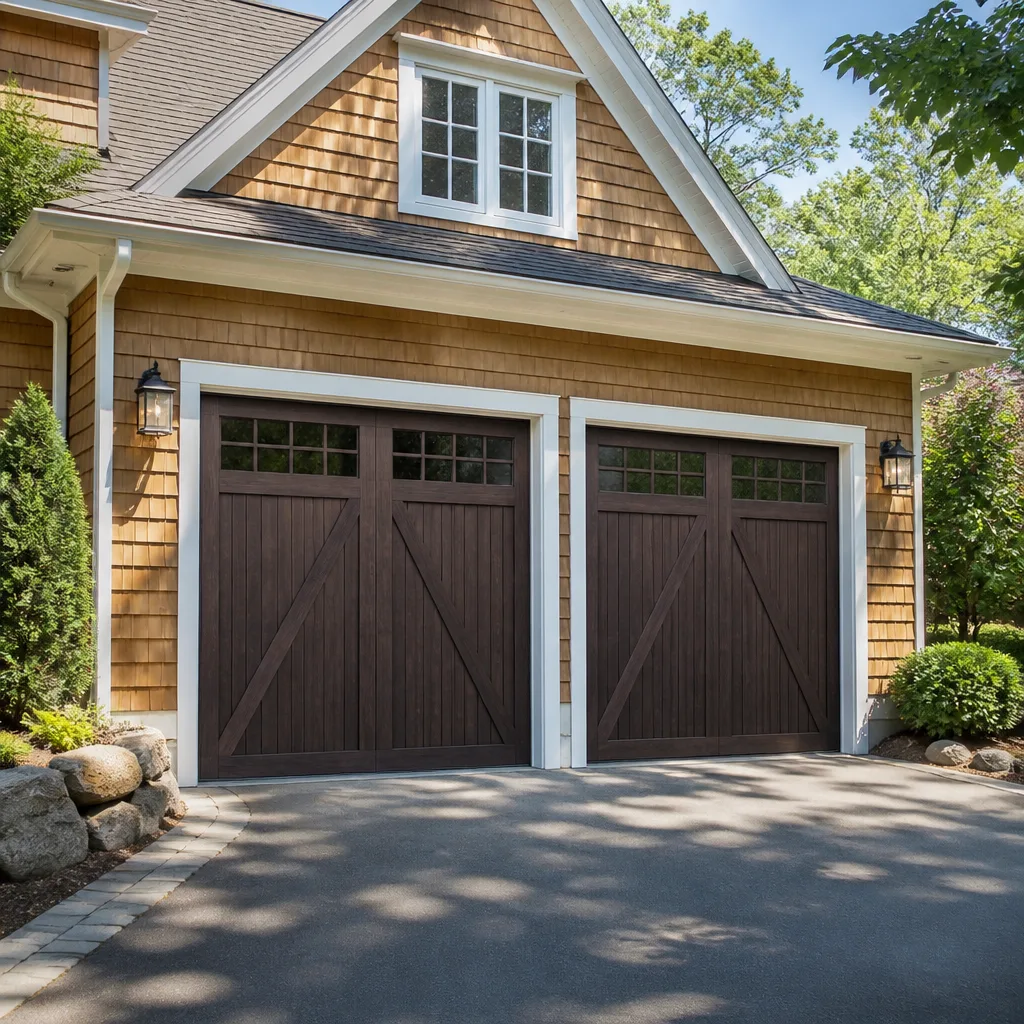
A real wood garage door, typically built from cedar, redwood, or mahogany, is stunning. It also requires sealing or painting every two to three years in Long Beach’s marine layer climate. Unsealed wood wicks moisture, swells, and eventually rots at the base where it meets the driveway. We’ve repaired enough moisture-damaged wood doors in the historic districts south of 4th Street to know the pattern well: the bottom panel shows the damage first, the finish on the rest of the door follows within a few seasons. If you want a wood look without the maintenance, a steel door with a wood-grain finish from Clopay or Amarr gets you the aesthetic for roughly half the long-term cost.
UV resistance matters more than insulation in this climate. Most Long Beach garages don’t need a high R-value door, which is the measure of insulation performance. A moderate R-value of 6 to 9 is adequate for a garage that isn’t heated or cooled. What does matter on a south-facing door is a finish that won’t chalk and fade in direct sun. If you see a door that’s lost its color on one side while the other side looks new, that’s UV damage, and it’s the most common cosmetic problem we see on Long Beach doors over five years old.
What a Garage Door Costs in Long Beach
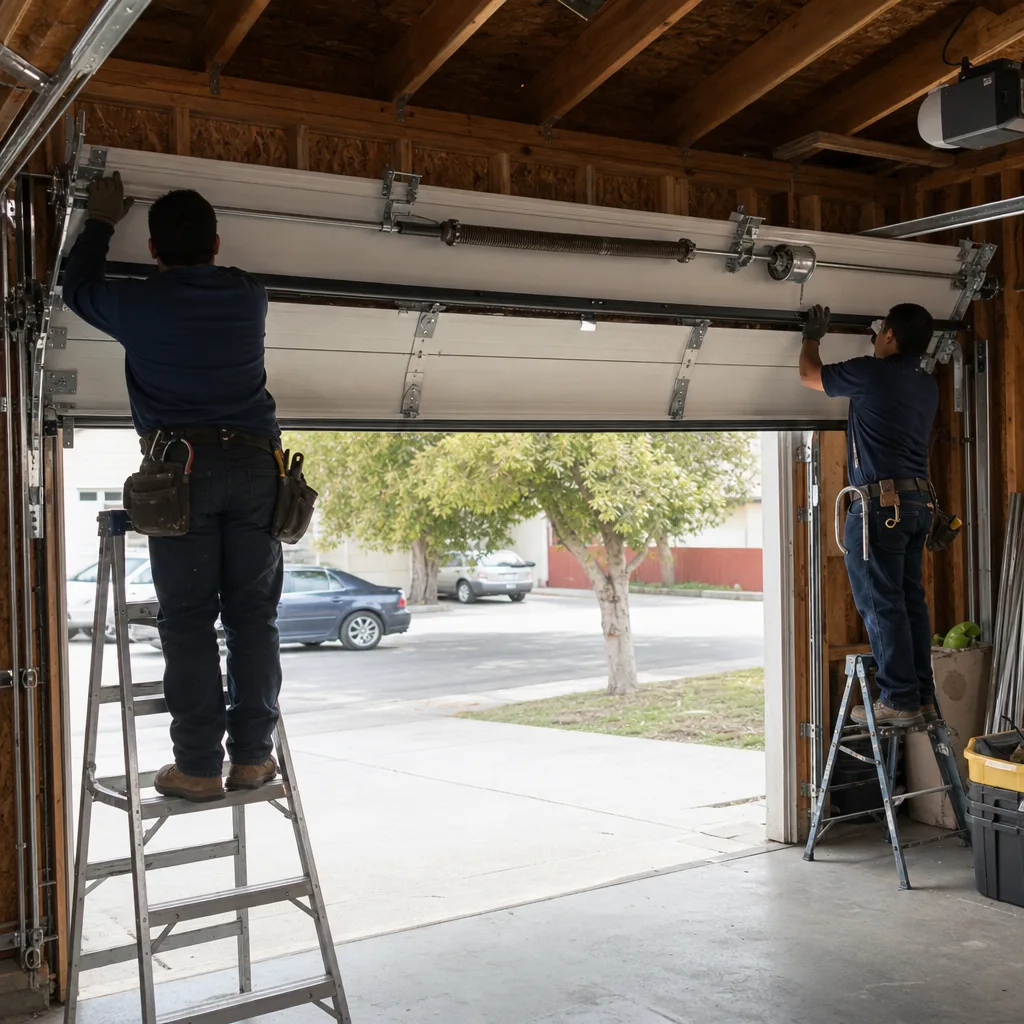
Here’s the pricing structure for Long Beach as of 2025. These are line-item ranges we quote for common scenarios, and they’re consistent with what you’ll see from any reputable shop in the city that writes flat, upfront pricing rather than charging by the hour with no ceiling.
| Service | Typical Long Beach Price Range | Notes |
|---|---|---|
| Torsion spring replacement (pair) | $180 - $340 | Galvanized or powder-coated springs add $30-$60 |
| Lift cable replacement (both sides) | $150 - $250 | Often combined with spring work |
| Roller replacement (full set) | $120 - $190 | Nylon rollers at the high end |
| Track adjustment or alignment | $100 - $160 | Price assumes brackets are intact |
| Weatherstripping replacement | $80 - $140 | Bottom seal and side seals |
| New garage door (single bay, standard steel) | $1,100 - $2,400 | Installed, including haul-away of old door |
| New garage door (double bay, standard steel) | $1,700 - $3,800 | Depends on insulation and finish |
| Opener replacement (belt drive) | $380 - $650 | Includes wall button and safety sensors |
| Full door + opener replacement | $1,600 - $4,300 | Most common for 15+ year old systems |
These are the numbers you should expect to see before any work begins. That’s the point of a written quote. It is a single document that lists the flat price, the scope of the work, and the parts being installed. In our business, that document is produced before the technician touches anything, and it’s produced without a deposit. If the price changes, it changes only because the scope changed, and you approve the change in writing first.
Some companies in Long Beach still quote over the phone and then “discover” additional work once the technician arrives. The fix for this is simple: insist on a written scope before work begins. If a company won’t provide one, walk away. There are enough quality shops in this city that you don’t have to gamble.
For a deeper breakdown of repair-specific pricing, see the Garage Door Repair in Long Beach page.
Permits and Code Requirements in Long Beach
Most garage door repairs and replacements in Long Beach do not require a building permit. This is true for swapping an existing door, replacing springs, cables, rollers, openers, or any other component on an existing system. The City of Long Beach treats this as routine maintenance under its building code, provided the door is replaced in-kind and no structural changes are made to the opening.
Permits do apply in the following scenarios:
- New openings or resizing. If you’re cutting a new door opening or widening an existing one, you’re doing structural work. A permit is required, and a structural engineer will need to sign off on the header, which is the beam that carries the load above the opening.
- Garage conversions to ADUs. Long Beach has been aggressive about accessory dwelling unit development, and converting a garage to living space triggers a different permit and inspection process. The garage door is often removed entirely, or replaced with a wall and a standard entry door. If you’re planning this, the door is the least of your concerns, but it’s still part of the scope.
- Historic districts. Some neighborhoods in Long Beach have historic preservation overlays that restrict what type of door can be installed, including material and panel style. If you own a home in a designated historic district, check with the city’s planning department before choosing a door. The wrong choice can mean redoing the work.
The most common permit-related question we hear involves door replacement where the existing door is damaged. If the frame and opening are unchanged, replacing the door itself is not a permitting issue in Long Beach. The city cares about structural changes, not cosmetic ones.
How to Buy a Garage Door in Long Beach
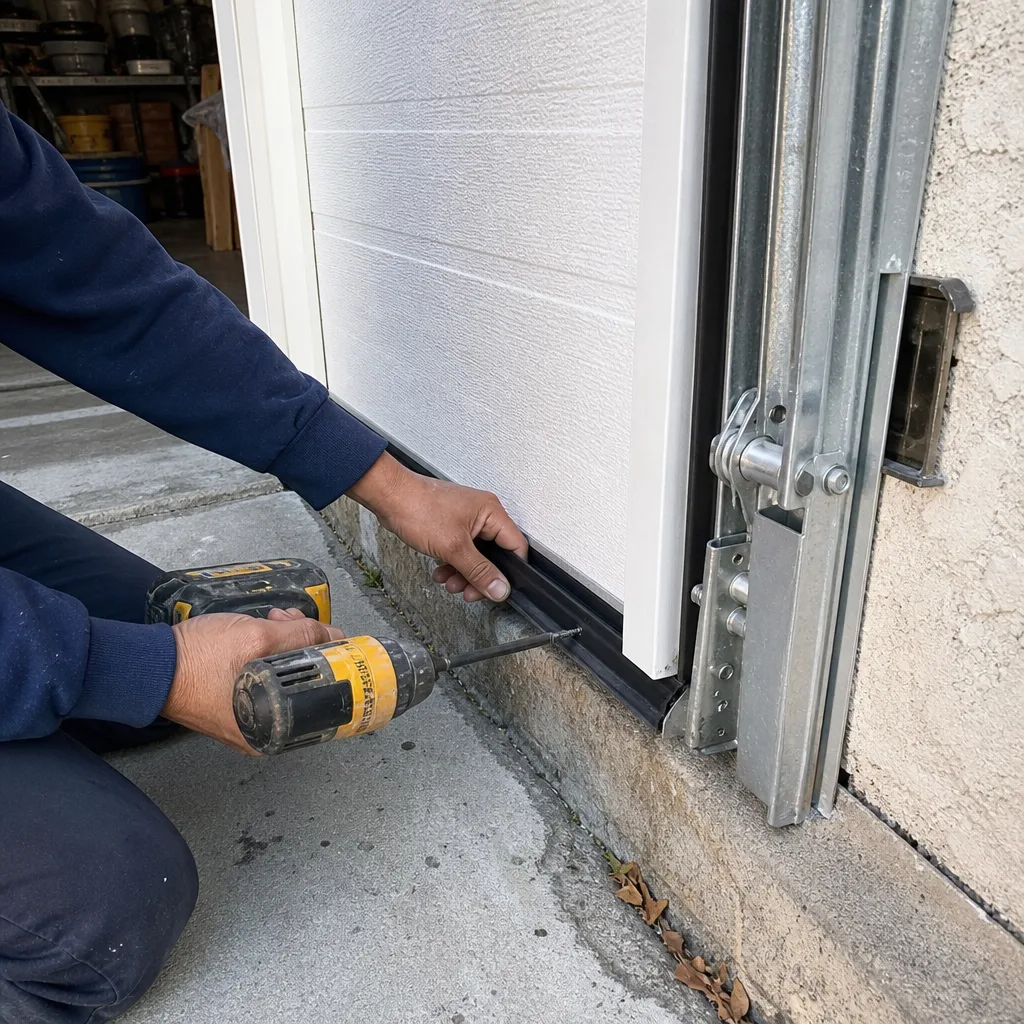
Buying a garage door in Long Beach is different from buying one in a dry inland city. Here’s the process, in order, that will get you the right door at a fair price without surprises.
- Assess your exposure. Look at your garage door and note which direction it faces. A south- or west-facing door takes the most UV. A door within a mile of the ocean takes the most salt. Note both before you choose materials.
- Decide on material and finish. For most homes, a 24-gauge or 25-gauge steel door with a coastal-rated finish is the sweet spot. If you’re in a historic district, check whether the overlay restricts your choices.
- Choose your insulation level. In Long Beach’s climate, most homeowners don’t need high R-value panels. Unless your garage is conditioned space, a moderate insulation level is fine. Spend the budget on finish quality instead.
- Get a written quote with a written scope. This is the step that separates good companies from the rest. You want a document that lists the door model, the panel thickness, the finish spec, the hardware, the labor, the haul-away, and the total price. If the quote is verbal, ask for it in writing. If they hesitate, find another company.
- Confirm the warranty in writing. A quality door should come with a manufacturer warranty on panels and hardware, plus a workmanship warranty on installation. Both should be in writing, and the workmanship warranty should be at least one year. This isn’t a bonus; it’s the baseline.
- Ask who handles the permit if one is needed. For most replacements the answer is no permit required. But if you’re doing structural work, the company should handle the permit application or connect you with someone who will.
- Schedule the install. A typical single-door replacement in Long Beach takes three to five hours on site, including removal of the old door and installation of the new one. Most manufacturers require a two to four week lead time on custom orders, so plan ahead if you’re replacing before selling the home or before the rainy season.
If you want a full breakdown of what a new door involves, read the Garage Door Installation in Long Beach page for the step-by-step process.
Common Mistakes to Avoid
- Buying hardware for inland conditions. Zinc-plated rollers, hinges, and fasteners, which are standard on economy doors, corrode at an accelerated rate near the ocean. You’ll be replacing them in two to three years. Specify galvanized or stainless hardware from the start.
- Ignoring the vibration factor. Homes near the 710 freeway, the port, or heavy truck routes experience low-frequency vibration that accelerates spring fatigue. If you live in one of these areas, put spring replacement on a five-year schedule rather than waiting for the break.
- Prioritizing R-value over finish durability. The salesman will try to sell you the highest insulated door on the floor. In Long Beach’s mild climate, that money is better spent on a UV-stable, coastal-rated finish that will still look right in eight years.
- Accepting a verbal quote. If the price isn’t in writing with a clear scope before the work starts, you have no leverage when the bill arrives. Demand the document or find another company.
- Skipping annual inspections. A fifteen-minute inspection catches broken cable strands, corroded rollers, and cracking weatherstripping early. Catching a frayed cable at six months saves a $500 emergency call at 10 p.m.
- Attempting DIY spring or cable work. Torsion springs are under enough tension to cause serious injury or death if mishandled. This is not a job for a YouTube tutorial. A trained professional has the right winding bars and the right process.
- Choosing a door based on appearance alone. The door that looks perfect on the showroom floor may have hardware specs that won’t survive Long Beach’s marine layer. Ask about the hardware package, not just the panel design.
When to Call a Professional
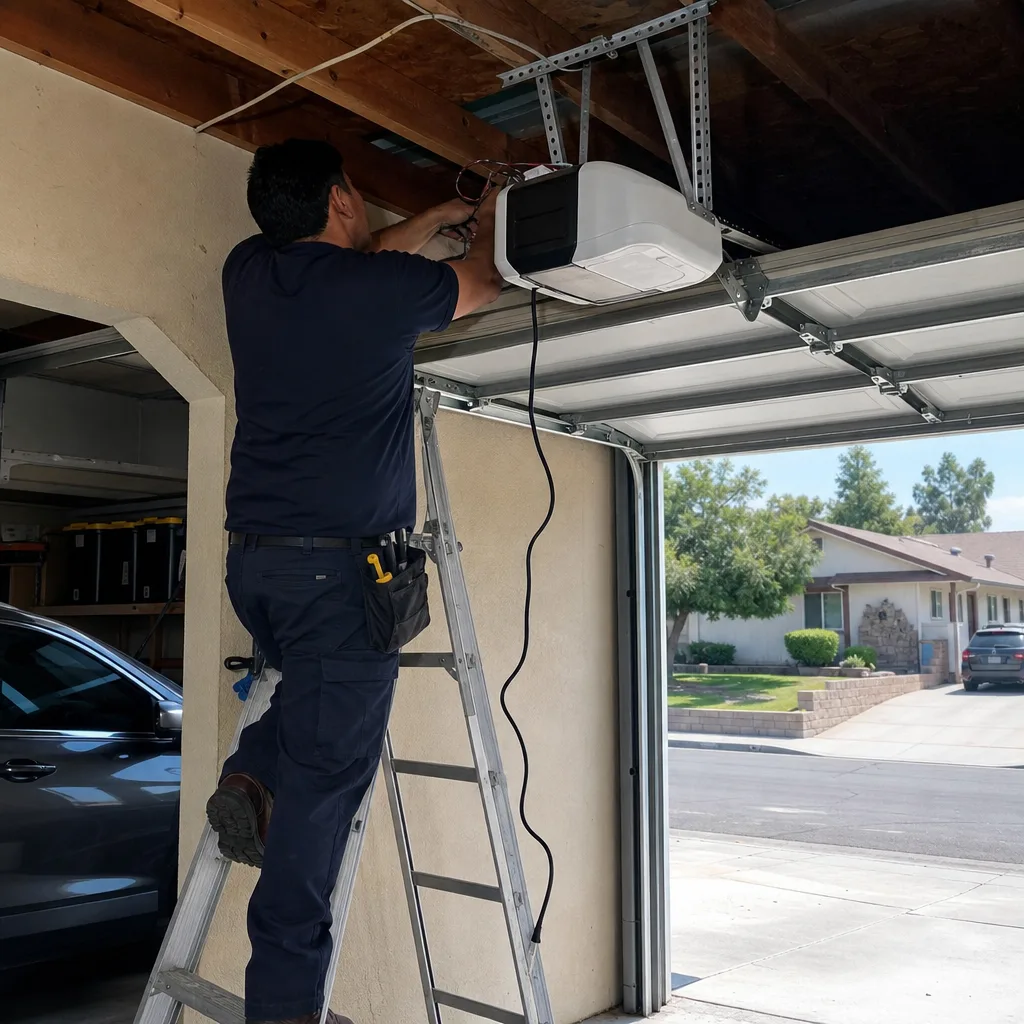
Some garage door issues are visible and diagnostic. A creaking roller, a cracked weatherstrip, a door that’s slightly off-balance, these are signs of normal wear. Other issues are urgent. If your door won’t close, won’t stay shut, or makes a sound like a gunshot when it moves, that’s a broken torsion spring or a cable failure, and the door is no longer safe to operate. A garage door with a broken spring is a dead weight. If it falls, it can damage the door, the track, a vehicle, or a person.
If you notice any of these in Long Beach, stop using the door and call a professional. Servo Garage Doors Long Beach offers free estimates in Long Beach, we answer the phone 24/7 with a live person, and we provide a written, flat-price quote before any work begins. Call (424) 688-6426 for a free estimate.
Frequently Asked Questions
Most garage door repairs in Long Beach cost $100 to $390 depending on the component, with torsion spring replacement being the most common repair at $180 to $340. You should receive a written, flat-price quote before work begins. Call (424) 688-6426 for an exact quote on your specific repair, and the estimate is free.
A torsion spring in Long Beach lasts 5 to 7 years on average, compared to 9 to 12 years nationally, due to salt air, humidity, and vibration from port-district freight corridors. Homes within a mile of the ocean should plan for replacement at the 5-year mark. Galvanized or powder-coated springs extend that by two to three years.
The marine layer that sits over Long Beach for hours each morning deposits moisture on metal surfaces, and salt aerosol from the Pacific accelerates oxidation. Zinc-plated hardware, the standard on economy doors, shows rust within eighteen months near the coast. Solution: replace economy hardware with galvanized or stainless components.
No, replacing an existing garage door without changing the opening size does not require a permit in Long Beach. A permit is required for structural work like new openings, resizing, or garage conversions to ADUs. Historic districts may have additional design restrictions.
A 24-gauge galvanized steel door with a coastal-rated, UV-stable finish is the best value for most Long Beach homes. Powder-coated aluminum is a solid alternative for full-view or modern doors. Wood requires sealing every two to three years in this climate, making it the highest-maintenance option.
No, and we’ll say it directly: torsion springs are under enough tension to cause serious injury. The winding and unwinding process requires specific tools and training. A broken spring is a professional repair in every case, and it’s a $180 to $340 fix, which is less than an emergency room copay.
The Bottom Line
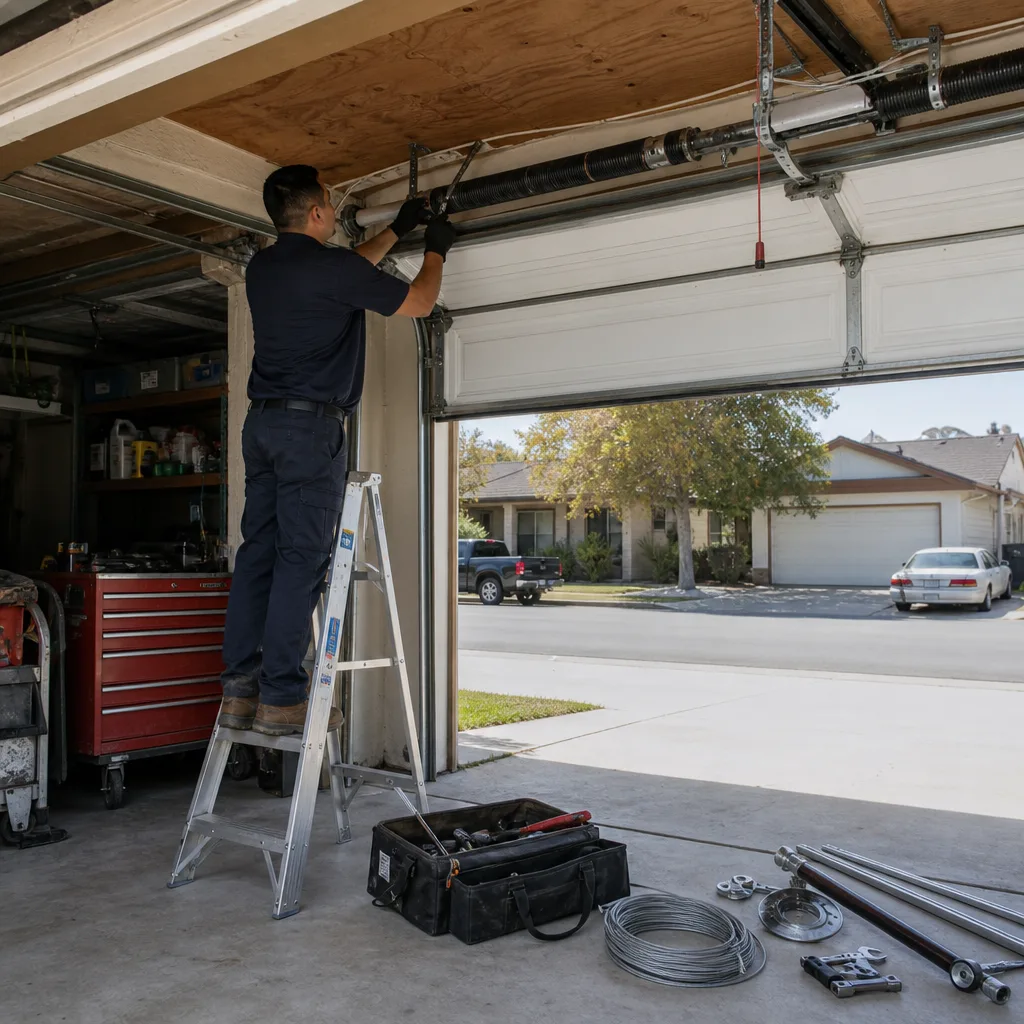
A garage door in Long Beach is a coastal engineering problem, not a generic purchase. Salt air shortens the life of springs, cables, and hardware. Vibration from port freight corridors adds fatigue stress to critical components. UV exposure degrades finishes on south- and west-facing doors. The right approach is to choose materials and hardware rated for marine-adjacent conditions, replace components on a schedule calibrated to this city rather than to national averages, and insist on a written, flat-price quote with a documented scope before any work begins. That’s how you get a garage door that works correctly, lasts as long as it should, and doesn’t surprise you with a bill you didn’t approve. Browse more guides & resources for Long Beach garage door owners.
If you’re in Long Beach and you need a repair, a replacement, or a second opinion on a quote you already have, Servo Garage Doors Long Beach home is the place to start. We’ve made 18,000+ garage doors right since 2015, every one with a written price before work started and a documented photo record when the technician left.
Written by Marcus Deller, Owner at Servo Garage Doors Long Beach, serving Long Beach since 2015.