
Last updated September 19, 2026
Full 25-point door and opener safety check with every visit - springs, cables, rollers, tracks, and your LiftMaster or Chamberlain opener included
You get a price before we start. It does not change when the truck arrives.
Chamberlain openers
 Before
 After
After Before
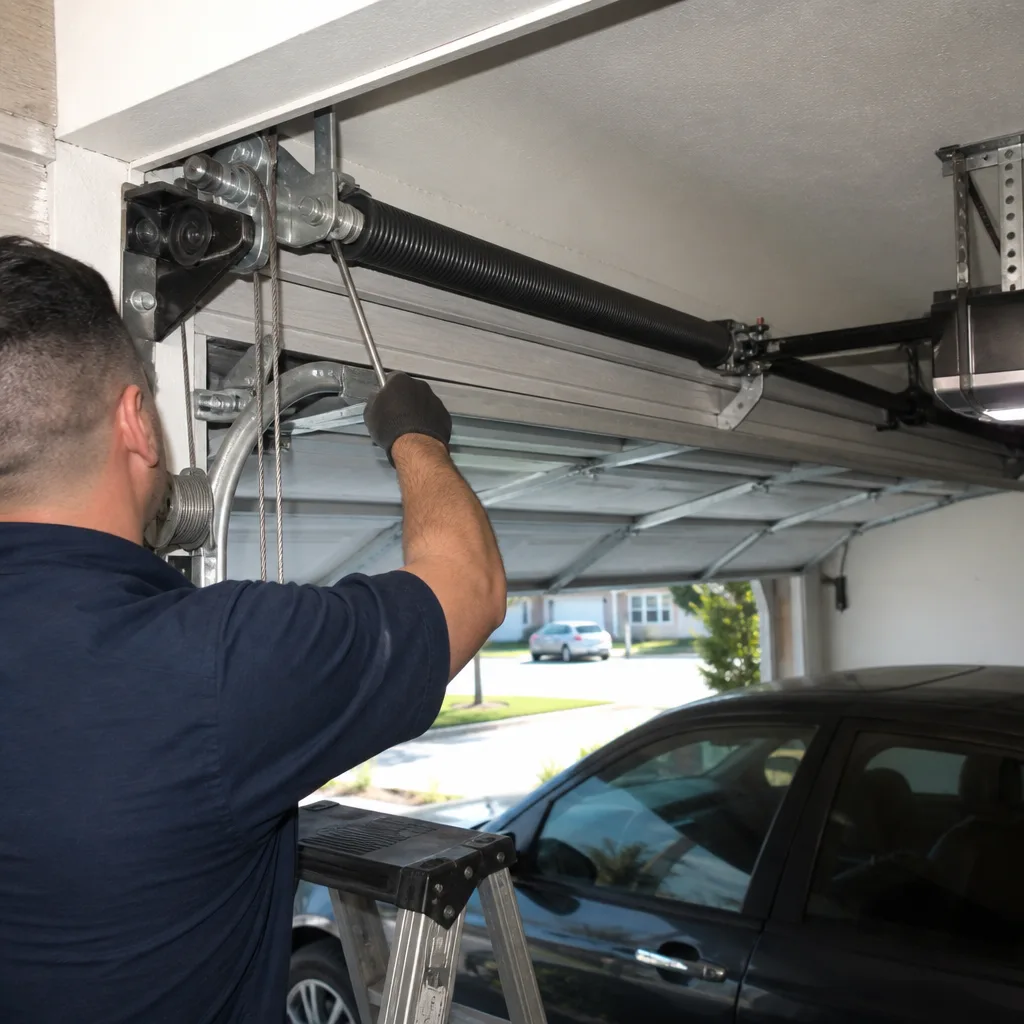 After
After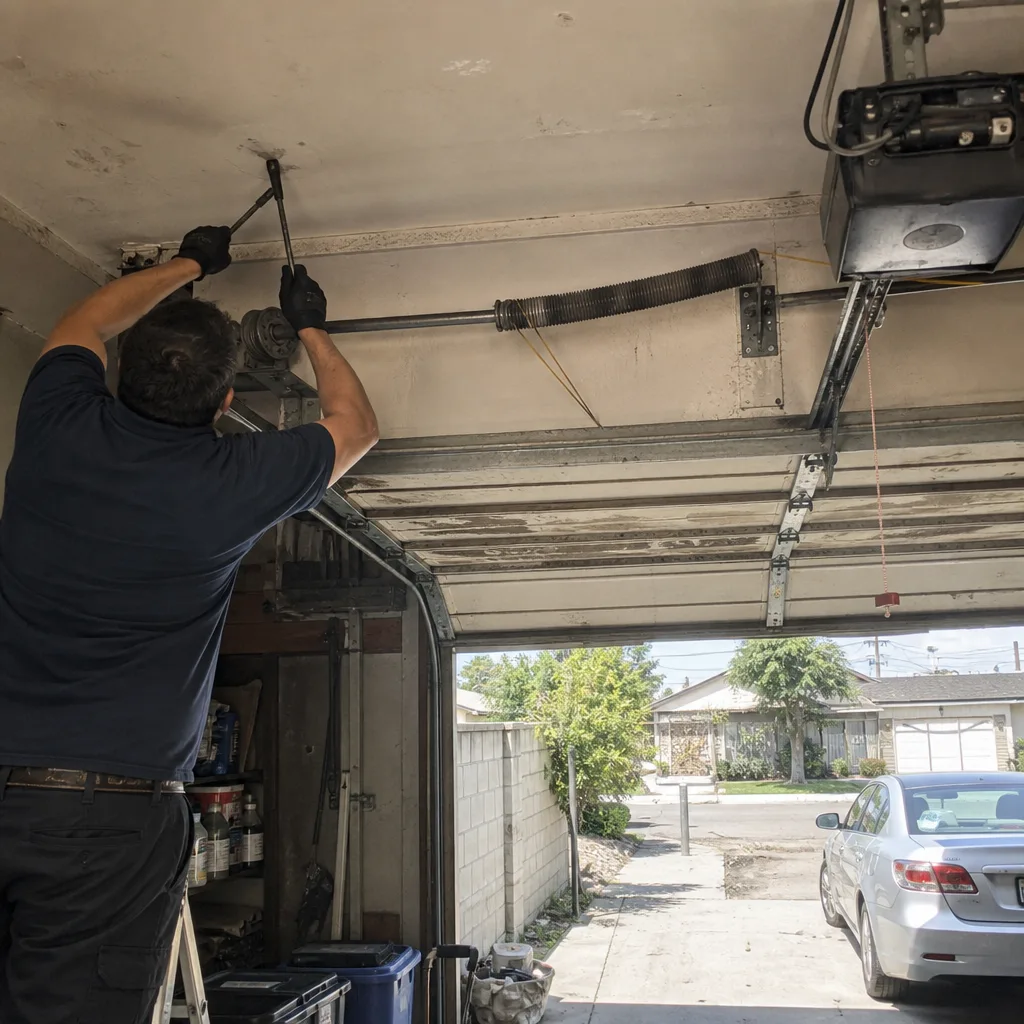 Before
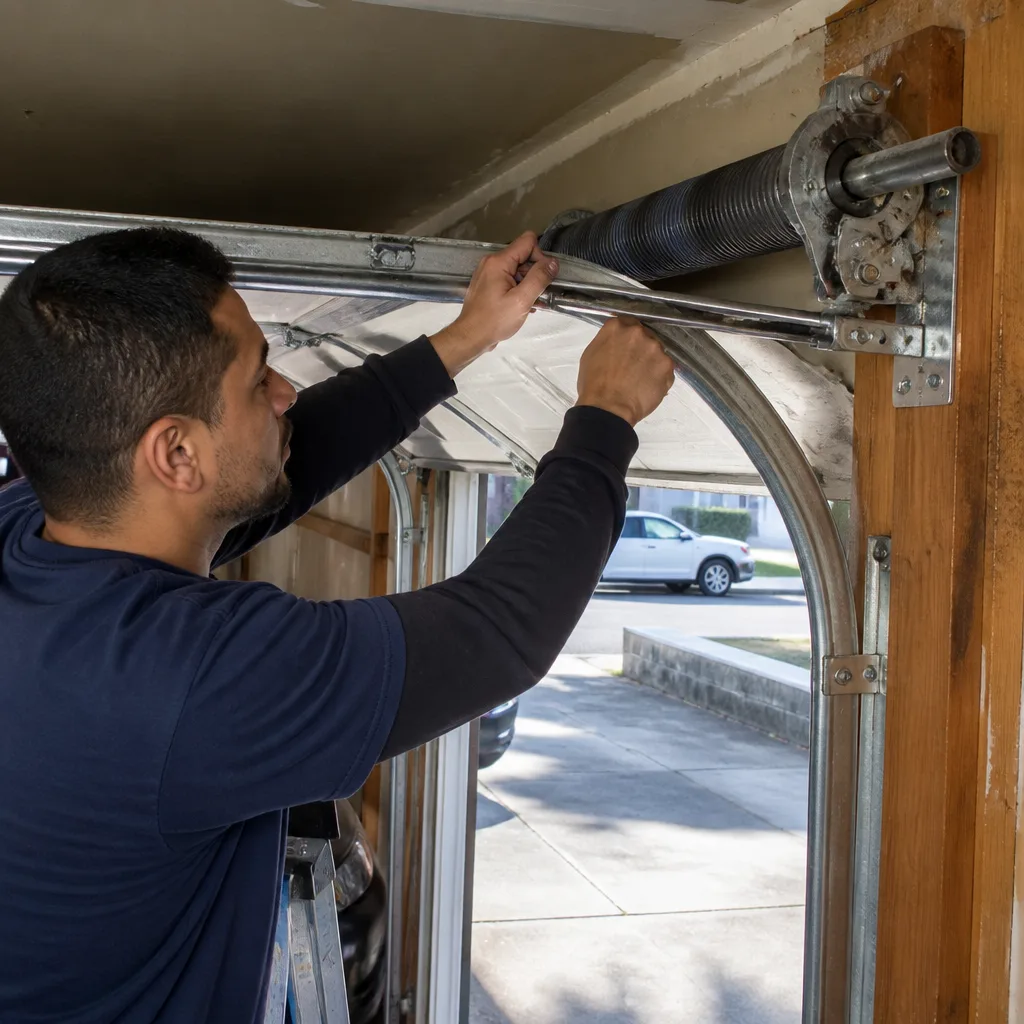 After
AfterGarage Door Permits, Codes & Inspections in CA: What You Need to Know
A garage door replacement typically doesn’t require a permit in California. But a new opening, a header modification, or a door that changes the fire-separation rating of an attached garage absolutely does. The problem is that most homeowners don’t know which category their project falls into until they’re already at the permit counter. This guide walks through the precise triggers under the California Residential Code, what Long Beach Development Services actually asks for, and what happens at resale when unpermitted work surfaces during a home inspection. For related reading, see our Garage Door Warning Signs: A Long Beach Homeowner’s Reference Guide. By the end, you’ll know exactly which projects need paperwork before the first screw comes out.
Quick Answer
In California, a like-for-like garage door replacement with no structural changes is exempt from permit requirements under the California Residential Code. A permit is required when you’re cutting a new opening, enlarging an existing one, altering the header, or changing the fire-resistance rating of an attached garage wall. In Long Beach, residential garage door permits go through Long Beach Development Services, and attached garages must meet CBC Section 406 fire-separation standards.
Table of Contents
- When a Garage Door Permit Is Required in California
- When a Replacement Is Exempt: The Like-for-Like Rule
- Long Beach Development Services: Submission Requirements and Timeline
- Fire-Rated Door Requirements for Attached Garages Under CBC Section 406
- What Happens at Resale When Unpermitted Work Is Discovered
- How to Retroactively Permit Completed Work in Long Beach
- Common Mistakes to Avoid
- When to Call a Professional
- Frequently Asked Questions
- The Bottom Line
BeforeAfterWhen a Garage Door Permit Is Required in California
California Residential Code (CRC) Section R105.1 lays out the foundational rule: any construction or alteration that is not explicitly exempt requires a permit. For garage doors, the code draws a line between swapping a component and changing the building. A permit is triggered when the work touches the structure itself, not when it touches the door.
Here are the specific situations where a permit is required in California:
- A new garage door opening is cut into an existing wall. This involves removing studs, installing a new header, and altering the lateral load path of the wall. That’s structural work, full stop.
- An existing opening is widened or heightened. Even adding six inches to accommodate a taller SUV changes the header span and requires engineering review.
- The header above the door is modified or replaced. If the existing header is undersized for the new opening dimensions, a structural engineer must specify the replacement. The building department wants to see that calculation.
- The door changes the fire-separation rating of an attached garage. This is the one most homeowners miss. If your garage shares a wall or ceiling with living space, that wall carries a fire-resistance rating. Installing a door without the proper fire label breaks that rating and requires a permit to correct.
- The work involves moving the door from one wall to another. A garage door relocated from the front to the side of a house is not a replacement. It’s an alteration that changes the building envelope.
In Long Beach, we’ve seen homeowners walk into this unknowingly. They buy a wider door for a 1950s bungalow in Belmont Heights, and the installer discovers the header is a 4×4 that barely spans the old opening. Suddenly it’s not a door job, it’s a structural job, and Long Beach Development Services needs to see plans before anyone touches a saw.
When a Replacement Is Exempt: The Like-for-Like Rule
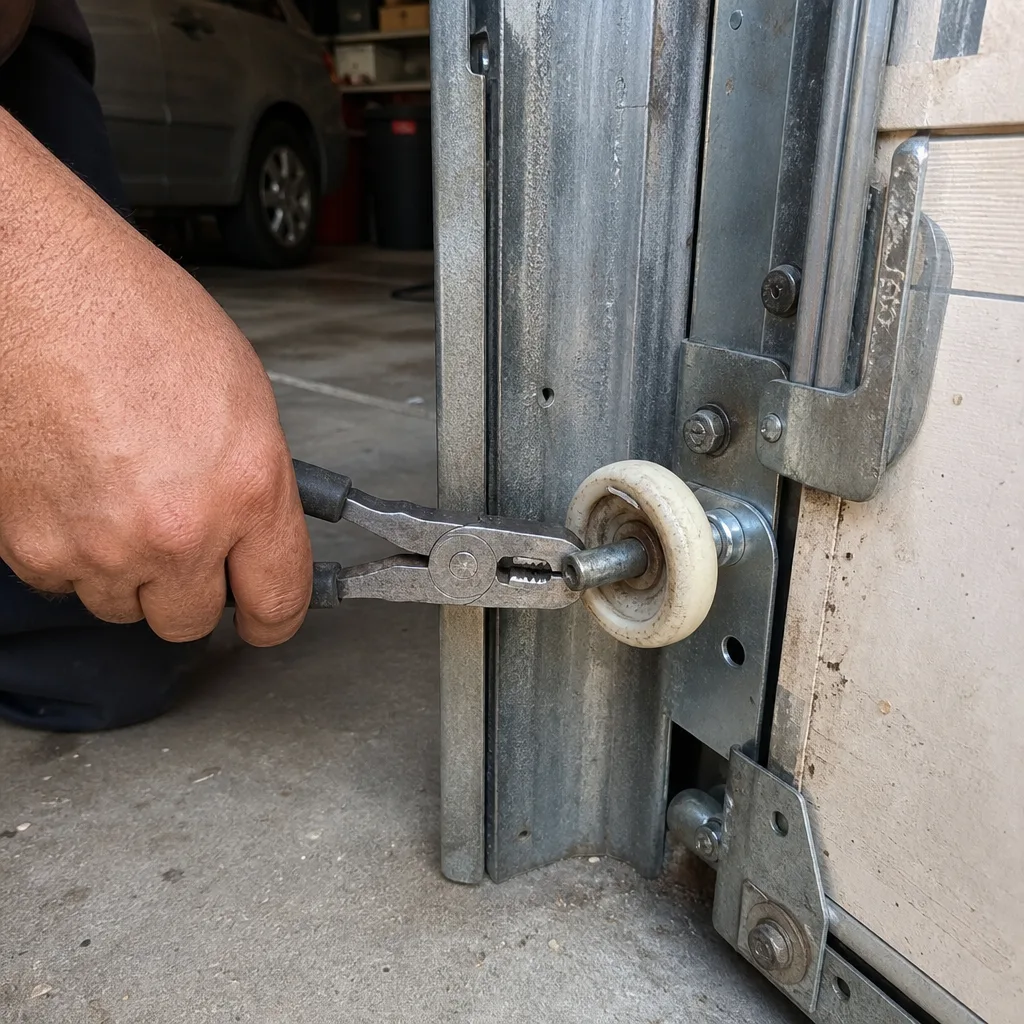
The California Residential Code exempts “ordinary repairs” from permit requirements under Section R105.2. A garage door replacement qualifies as an ordinary repair when it meets three conditions: the opening dimensions don’t change, the structural components stay untouched, and the fire rating of the existing wall remains intact. This is what we call a like-for-like swap. You remove the old door, you install a new door in the same opening with the same rough dimensions, and you don’t touch the framing.
That exemption covers most of the work a typical homeowner needs. If your torsion spring snapped and the door is otherwise functional, that’s a repair, not a replacement, and it’s squarely permit-exempt. If you’re replacing a 16×7 steel door with another 16×7 steel door, you don’t need paperwork in Long Beach or anywhere else in California.
But here’s where it gets subtle, and where we see installers and homeowners alike get it wrong:
- The exemption applies to the door, not the surrounding conditions. If the existing opening was never permitted in the first place, swapping the door doesn’t cure the underlying issue. The new door is fine, but the opening itself remains unpermitted.
- Fire-rated doors are not automatically exempt. If your attached garage currently has a fire-rated door and you replace it with a non-rated door of the same size, that’s a code violation even though the dimensions match. The fire rating is part of the wall assembly, and changing it is not an ordinary repair.
- Manufacturer specifications on newer doors can complicate the “like” part of like-for-like. A modern Clopay or Amarr door with a heavier gauge steel panel may weigh more than the 1980s Wayne Dalton it’s replacing. The springs and tracks get resized, but the opening itself doesn’t change, so the permit exemption holds.
The practical test we use, and that Long Beach inspectors apply, is simple: did the work alter the structure, the opening size, or the fire separation? If the answer is no to all three, no permit is needed. If any answer is yes, you’re in permit territory.
Long Beach Development Services: Submission Requirements and Timeline
Long Beach Development Services operates at 411 W. Ocean Boulevard, and residential garage door permits are handled as “express permits” in most cases where no structural review is required. The process is faster than many homeowners expect, but it’s not walk-in-and-done the way a re-roof permit can be.
Here’s the typical process for a residential garage door permit in Long Beach:
- Confirm the scope. If the project is a like-for-like replacement, you don’t need to be at the permit counter at all. If the opening changes or the fire rating is involved, proceed to step 2.
- Prepare a simple site plan or drawing. For door replacements with no structural changes, a sketch showing the garage wall, the door dimensions, and the property boundaries is usually sufficient. For header modifications or new openings, you’ll need a structural engineer’s calculations.
- Submit online or in person. Long Beach uses an online permitting portal for many residential projects. The submittal includes the project description, the door specifications, and the fire-rating documentation if applicable.
- Pay the fee. Residential express permits in Long Beach typically run in the $150 to $400 range depending on valuation, though structural review pushes that higher. Long Beach Development Services can quote the exact fee once they see the scope.
- Schedule the inspection. Once the door is installed, the inspector verifies that the installation matches the approved plans. For fire-rated doors, the inspector checks the label on the door itself. No label, no pass.
Timeline-wise, an express permit for a straight replacement with a changed opening but no structural work typically processes in 1 to 3 business days. Anything requiring structural plan review adds 2 to 4 weeks. We’ve worked with enough Long Beach homeowners in neighborhoods like Naples and Los Altos to know that the timeline is predictable if the paperwork is complete on day one.
One detail that catches people: Long Beach Development Services requires the permit to be closed with a final inspection, not just issued. An open permit on your property is a disclosure item at resale, which we’ll get into below.
Fire-Rated Door Requirements for Attached Garages Under CBC Section 406
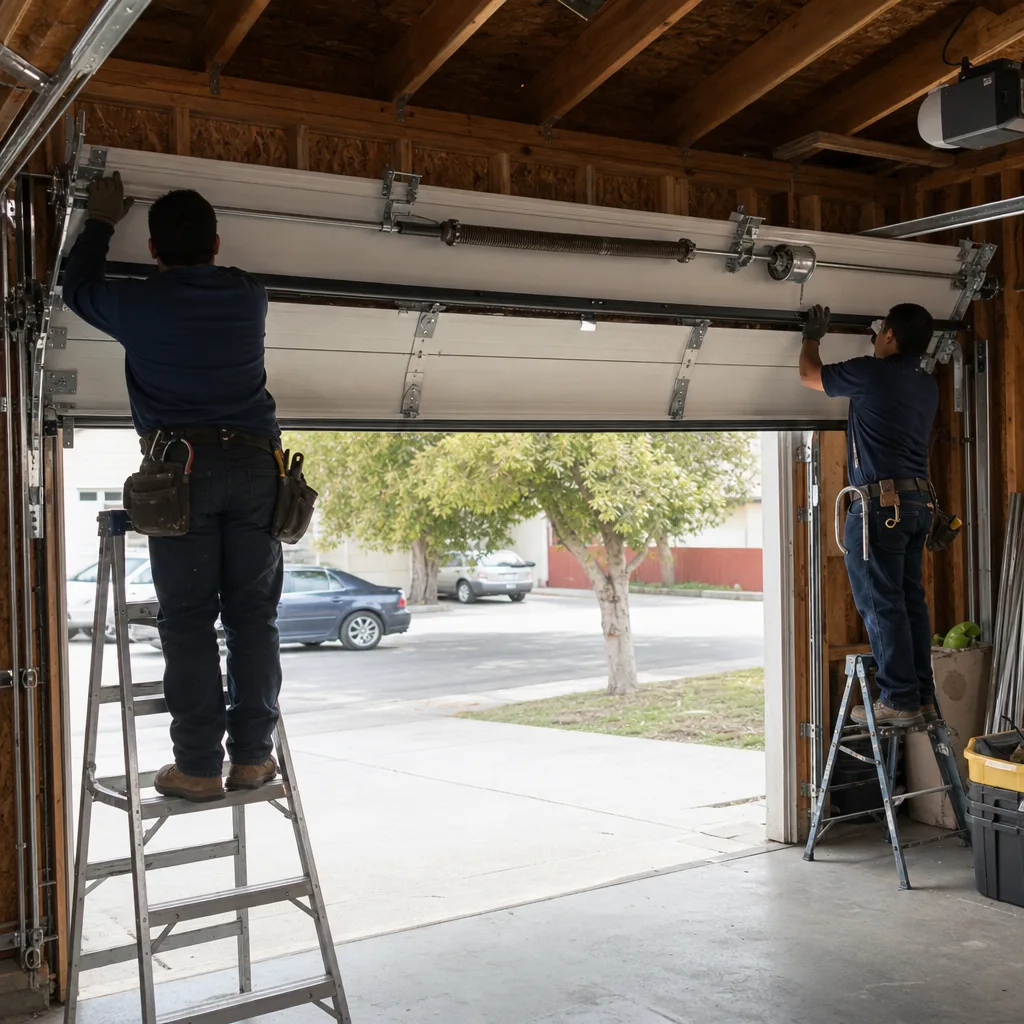
California Building Code Section 406 addresses the fire separation between an attached garage and the dwelling. The wall and ceiling separating a garage from living space must meet a one-hour fire-resistance rating in most residential construction. The garage door itself isn’t part of that rated wall in a typical single-family home, but it becomes relevant when the garage is attached and the door sits in a wall that carries the fire rating, or when the garage is part of a duplex or multi-unit building.
Here’s what actually matters for homeowners:
- The door must carry a fire-resistance label. A fire-rated garage door will have a permanent label affixed to the door showing the rating, usually in minutes (20-minute, 45-minute, or 90-minute). The label is metal or embossed, not a sticker that peels off. If a contractor installs a fire-rated door and the label isn’t visible, the inspector can’t verify the rating, and the door fails.
- The label must match the required rating for the wall assembly. A 20-minute door in a one-hour rated wall doesn’t fly. The door rating needs to match what the plans specify for that separation.
- Substitutions fail inspection routinely. We’ve seen homeowners in Long Beach order a standard steel door from a big-box store for a garage that needs a fire-rated door. It fits, it looks fine, and it fails inspection because there’s no label. The door has to come out.
- The self-closing mechanism matters. In multi-family construction, fire-rated garage doors often require an automatic closing device. Single-family homes typically don’t, but if your garage serves a duplex or ADU, it might.
If you’re unsure whether your Long Beach attached garage door needs a fire rating, look at the door itself. A fire-rated door is heavier, typically has a core that’s not hollow, and carries that permanent label. If you can’t find a label and your garage shares a wall with the house, assume the next replacement needs to be rated until proven otherwise.
What Happens at Resale When Unpermitted Work Is Discovered
California’s real estate disclosure law is straightforward: sellers must disclose material facts that affect the value or desirability of the property. Unpermitted work is a material fact. The standard California Association of Realtors’ transfer disclosure statement has a section that asks specifically about work done without permits, and lying on that form is the fastest way to end up in a post-closing lawsuit.
Here’s what actually unfolds when a buyer’s home inspector flags unpermitted garage door work during escrow:
- The inspector notes the discrepancy. A door that’s clearly larger than the original opening, a new header that doesn’t match the era of the house, or a fire-rated door without a label all get flagged.
- Buyers demand a fix. In Long Beach’s market, buyers have leverage. They typically ask the seller to either produce the permit or obtain one retroactively before close.
- Retroactive permitting takes time. If the unpermitted work involves structural changes, the seller may need to open up the wall to show the framing. That’s a seller’s worst-case scenario during escrow.
- The price gets renegotiated. If the buyer agrees to take the problem on, they extract a concession. A $5,000 door project can become a $20,000 escrow credit once the liability is priced in.
- Insurance claims get complicated. If a garage door that was installed without permits later fails and damages a car or injures someone, the insurer may scrutinize the unpermitted work. It’s not automatically excluded, but it invites denial of coverage on facts that a permitted installation wouldn’t face.
The disclosure obligation doesn’t just apply to the seller who did the work. It follows the property. If you bought a house in Long Beach with unpermitted work and you’re now selling, you must disclose it whether you did the work or not. If you know it, you disclose it. This is why we tell every customer: the permit is not overhead. It’s documentation of accountability, and that documentation is worth real money at resale.
How to Retroactively Permit Completed Work in Long Beach
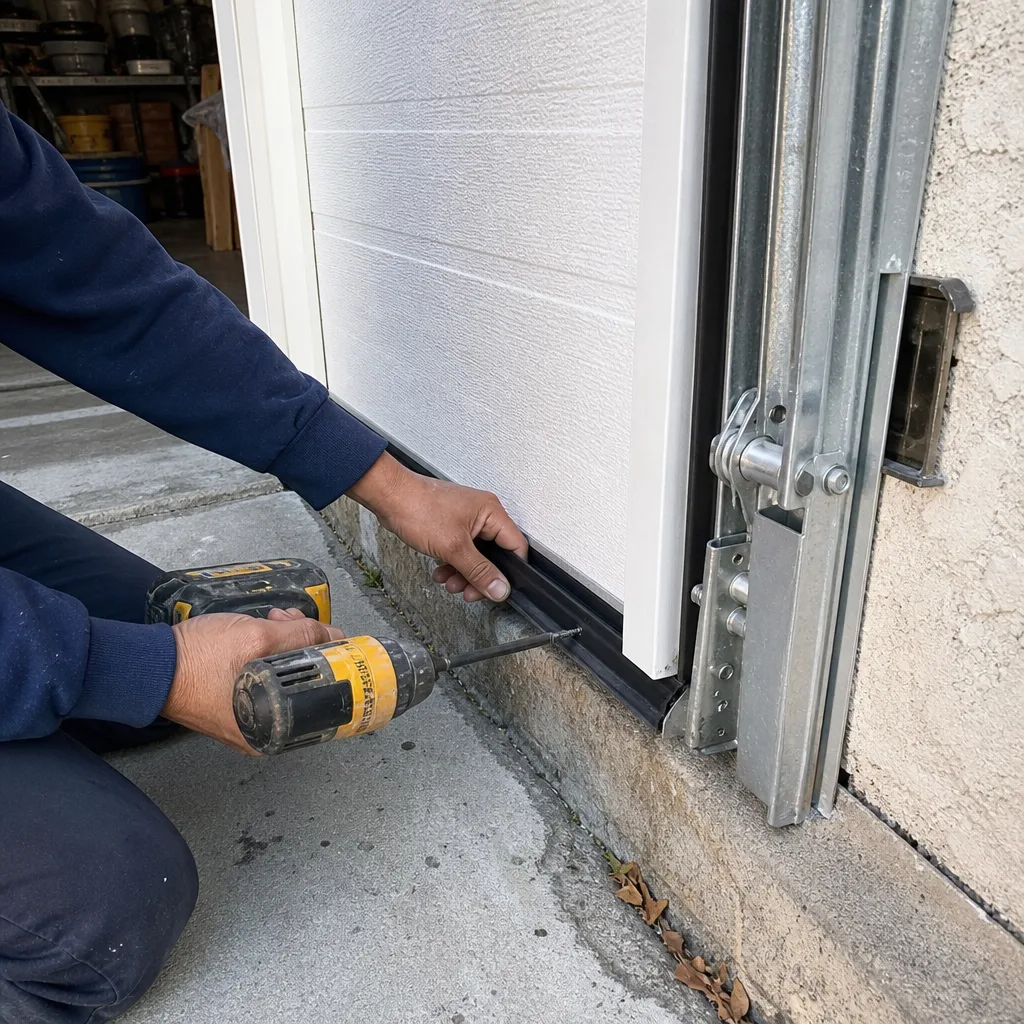
If a garage door was installed without a required permit, it’s fixable. Long Beach Development Services processes retroactive permits, though the process is more involved than getting the permit upfront. The building department isn’t in the business of making life hard for homeowners who want to do the right thing; they’re in the business of verifying that the work is safe.
Here’s the step-by-step for retroactively permitting garage door work in Long Beach:
- Document what exists. Photograph the door, the opening, the header (if visible), and the interior framing. The more evidence you can provide, the fewer times the inspector needs to open the wall.
- Determine the scope of the original work. Was it a like-for-like replacement that never needed a permit (in which case you’re done), or did the opening change, requiring structural review? Be honest with yourself here. The inspector will figure it out anyway.
- Pull together the technical documentation. If a structural header was installed, you need the engineering calculations that support it. If you don’t have them, a structural engineer will need to review the existing work and produce a letter validating it. This typically costs $500 to $1,500 in Long Beach.
- Submit the retroactive permit application. The same online portal applies. Note in the application that this is a retroactive permit for completed work, because the process includes an inspection of existing conditions rather than a final inspection at project completion.
- Open the wall if asked. The inspector may require the header and stud connections to be exposed for inspection. This means cutting back drywall around the door, which is the most disruptive part of retroactive permitting. Plan on a patch-and-paint after inspection.
- Close out the permit. Once the inspector signs off, the permit is closed and the work is documented as permitted. You now have a clean disclosure at resale.
What documentation should a contractor provide to make this possible? The original quote, any photos taken during installation, the door’s manufacturer specifications, and ideally a letter stating what work was performed and when. At Servo Garage Doors Long Beach home every job closes with a documented photo record and a written scope, which means our customers can produce exactly what Long Beach Development Services asks for if a retroactive permit becomes necessary. That paper trail is difficult to recreate after the fact if it was never captured in the first place.
Common Mistakes to Avoid
In ten years of working on Long Beach garage doors, we’ve seen the same errors repeat. Most are avoidable with an hour of research before the door gets ordered.
- Assuming every replacement is permit-exempt without checking the opening. The exemption applies to like-for-like swaps. If the opening changed in a previous remodel, the new door inherits the old problem. Verify the existing conditions before you assume.
- Ordering a fire-rated door without the visible label. The label IS the proof of the rating. A door marketed as “fire-rated” but sold without a permanent label is either mislabeled or not rated. It will fail inspection in Long Beach.
- Widening an opening without an engineer. We’ve seen 2×6 headers spanning 18-foot openings in older Long Beach garages. That’s undersized, and the inspector will check the calculations. An engineer’s letter is cheaper than rebuilding a header after drywall is up.
- Ignoring an open permit at sale. Long Beach tracks permits by address. Buyers and their agents can look this up. A permit that was issued but never closed is as problematic as work that was never permitted at all.
- Using a contractor who won’t provide documentation. If your installer can’t produce a written scope, a photo record, and the door’s specifications, you’re building a disclosure problem for your future self. Documentation isn’t a premium service in our view; it’s the bare minimum for a job that affects your home’s legal record.
- Checking with the city but not the HOA. Some Long Beach HOAs, particularly in newer developments in Bixby Knolls and East Long Beach, have their own architectural review requirements for garage door replacement, including material and color restrictions. The HOA approval process can add 2 to 4 weeks.
- Assuming the door company handles the permit. Some do, some don’t. If the permit is your responsibility, you need to know that before work starts. Ask the question directly: who pulls the permit, who schedules the inspection, and who is named on the paperwork? If the answer is vague, get it in writing or get another contractor.
When to Call a Professional
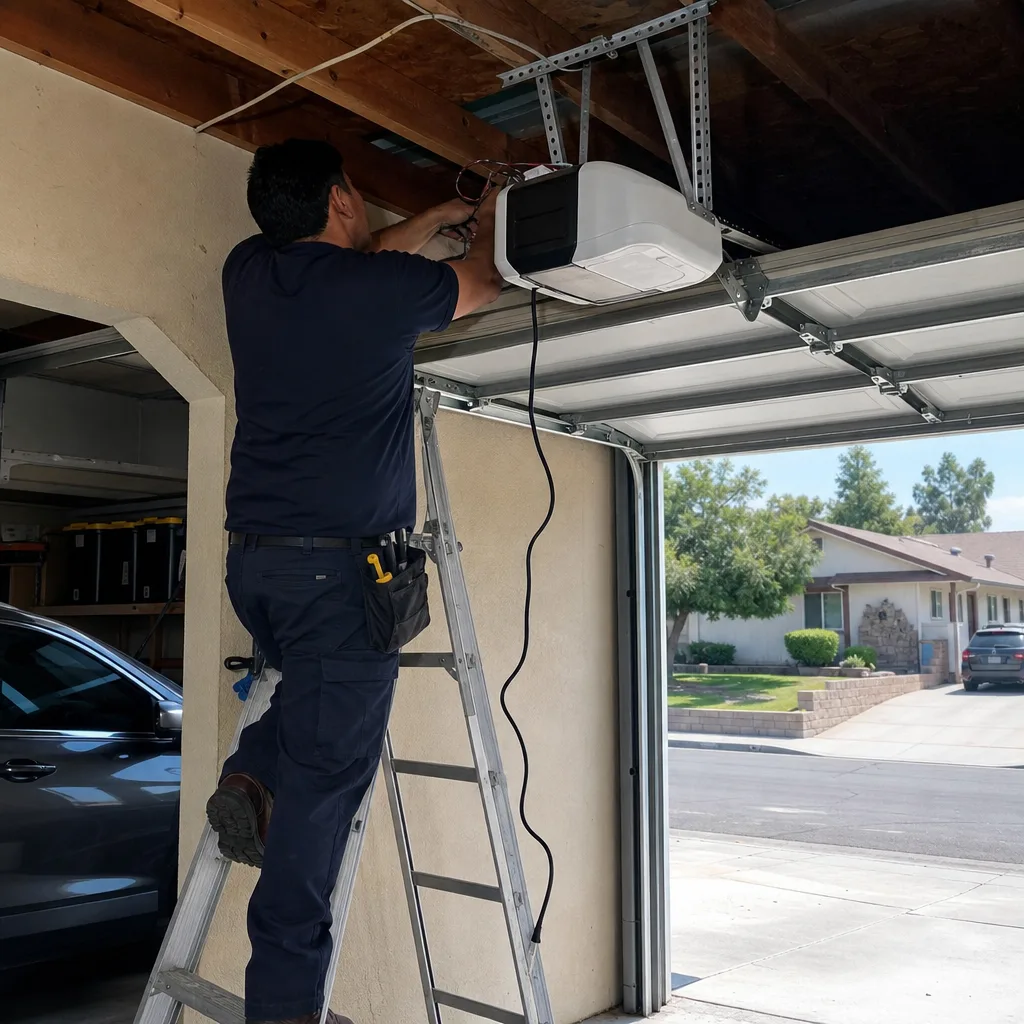
A garage door is a heavy, spring-loaded machine that opens and closes over your cars, your kids, and your belongings. Some projects are genuinely DIY-appropriate; a permit-research project shouldn’t be one of them when the scope is unclear. See How to Hire a Garage Door Contractor in Long Beach: A Step-by-Step Guide for help finding qualified help.
Call a professional if you’re changing the opening size, modifying the header, dealing with a fire-rated wall, or trying to unwind a previous unpermitted installation. These situations involve structural work, fire protection, and building department coordination that benefit from someone who has done it many times in Long Beach specifically. The same applies if the door is showing signs of spring or cable wear during a permit-related inspection: torsion springs under tension are not something to experiment with, and a broken spring can cause serious injury if mishandled. Servo Garage Doors Long Beach offers free estimates in Long Beach, and we’ll tell you honestly whether your project needs a permit, a consultation, or nothing at all. Call (424) 688-6426 to talk through it.
Frequently Asked Questions
No permit is required for a like-for-like garage door replacement in California, meaning the opening dimensions, header, and fire-rating conditions all stay the same. You do need a permit if the opening changes size, the header is modified, or the door changes the fire-separation rating of an attached garage. For garage door repair in Long Beach, most repair work is exempt as an ordinary repair under CRC Section R105.2. Call (424) 688-6426 for a written quote before any work starts.
A residential express permit for garage door work in Long Beach typically falls in the $150 to $400 range depending on project valuation. Projects requiring structural plan review cost more, and retroactive permits can add engineering fees of $500 to $1,500. The exact fee is set by Long Beach Development Services based on the scope, and we can help you determine what category your project falls into before you apply.
For installation work, no. A garage door installation, especially one involving permit review or structural changes, is measured, ordered, and scheduled. We’ll come out for a free measure, provide a written price and scope before any work begins, and schedule the installation for a defined date. That’s how garage door installation in Long Beach should work: no surprises, no rushed decisions, and a paper trail from quote to final inspection.
Garage door openers don’t require a permit anywhere in California. The opener is an appliance, not part of the building structure. If you’re replacing the door and the opener at the same time, the permit considerations apply only to the door and the opening. Garage door opener repair and installation in Long Beach is regular maintenance work, and we can handle both at the same visit. Call (424) 688-6426 for a written quote that covers both pieces.
Yes, typically 15 to 30 percent more for the door itself, plus the installation is more involved because the door is heavier and the hardware must match the rating requirements. Brands like Clopay and Amarr make fire-rated models in a range of styles, so you don’t have to sacrifice appearance for compliance. The cost difference is small compared to failing an inspection or having to replace a non-compliant door after the fact.
We see permit-triggering work most frequently in older neighborhoods like Belmont Heights, Rose Park, and Bluff Park, where 1940s and 1950s garages have openings sized for smaller cars and homeowners want to fit modern SUVs or trucks. Widening those openings means new headers, and those projects always require permits. Newer construction in East Long Beach and the South of Conant area typically has openings sized for modern vehicles, so like-for-like replacements dominate.
Yes, it’s legal to sell, but failure to disclose known unpermitted work is a violation of California disclosure law and opens the seller to post-closing liability. The correct path is to disclose the work and either obtain a retroactive permit before listing or negotiate a credit with the buyer. We’ve helped Long Beach homeowners document existing conditions and prepare for retroactive permits in exactly this situation.
The Bottom Line
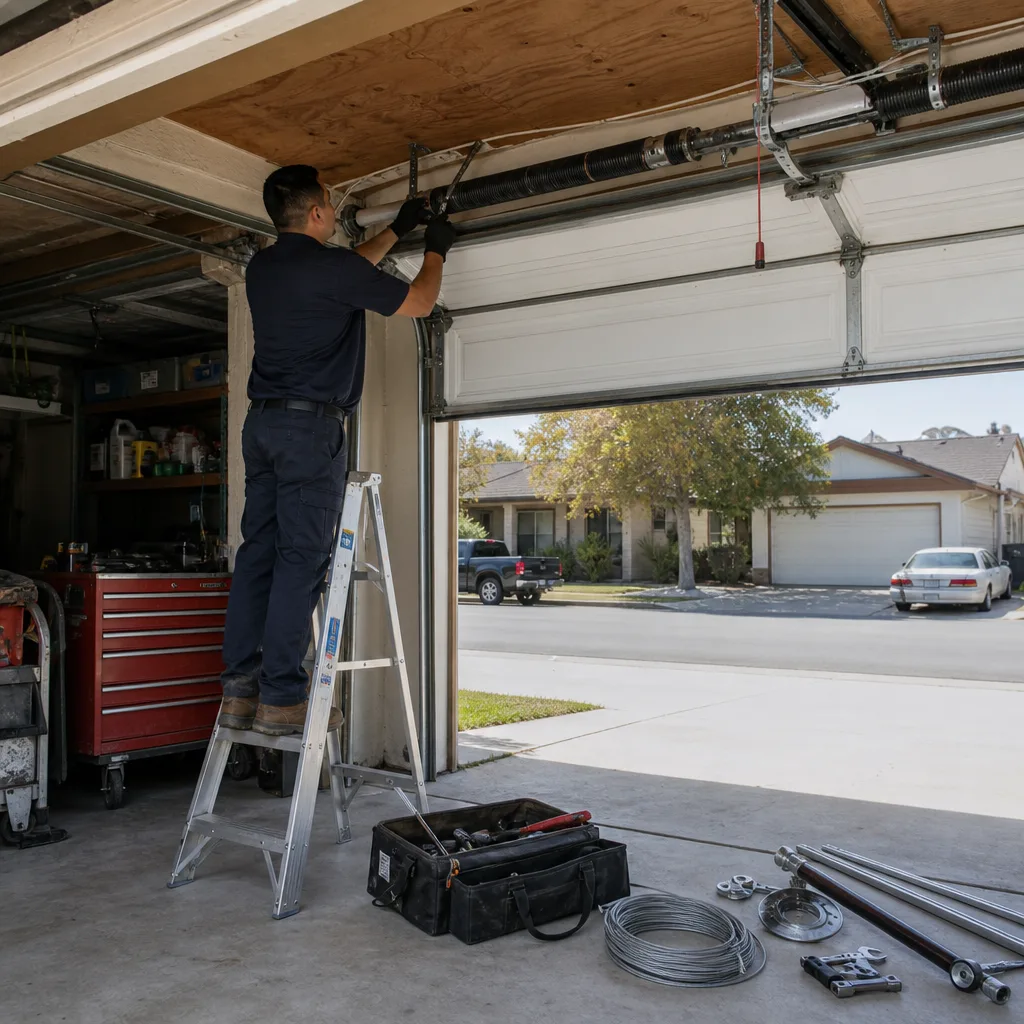
California’s garage door permit rules aren’t designed to make your project harder. They exist to create a paper trail that proves the work was done to code, by someone who could be held accountable, and that the safety of the building envelope wasn’t compromised. A like-for-like replacement in a standard attached or detached garage needs no permit. A bigger opening, a new header, or a changed fire rating absolutely does, and the cost of doing it wrong lands on you at resale, during an insurance claim, or at inspection. When you’re unsure, we’ll tell you the truth: whether you need a permit, what it will cost, and what documentation you’ll have when the job is done. Browse more guides & resources on our blog.
Written by Marcus Deller, Owner at Servo Garage Doors Long Beach, serving Long Beach since 2015.